


Top 10 Predator Hunting Tips Using Modern Thermal Imaging Tech
Since 2021, Yubeen has expanded the limits of infrared optics from its research and development center in Yiwu. The company focuses on rugged thermal sights that offer a clear edge during outdoor pursuits. Through emphasis on responsive sensors and intelligent ballistic tools, they deliver top-tier viewing options for hunters and security experts. Their dedication to reliability comes with a two-year replacement-only warranty, so your equipment holds up reliably during crucial moments.
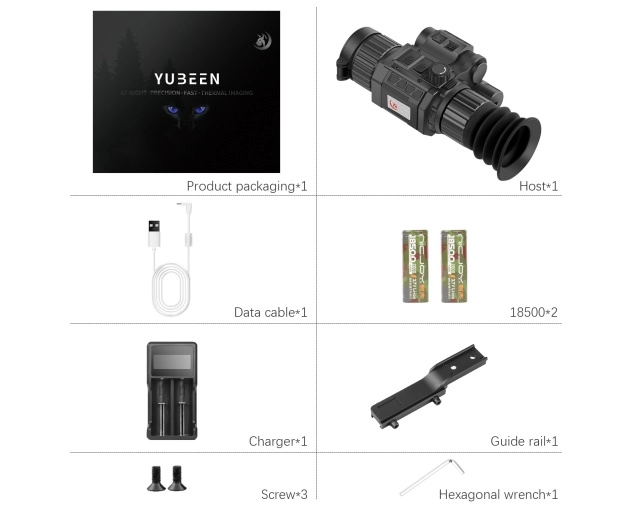
1. Master the Art of the “Cold Scan”
To locate predators ahead of time, hunters need to shift their approach to scanning the terrain. Conventional methods rely on spotting motion, yet thermal technology enables detection of heat patterns even from still creatures. This technique, known as a “cold scan,” demands a sensor with strong sensitivity to pick up subtle warmth contrasts between a coyote and its surroundings.
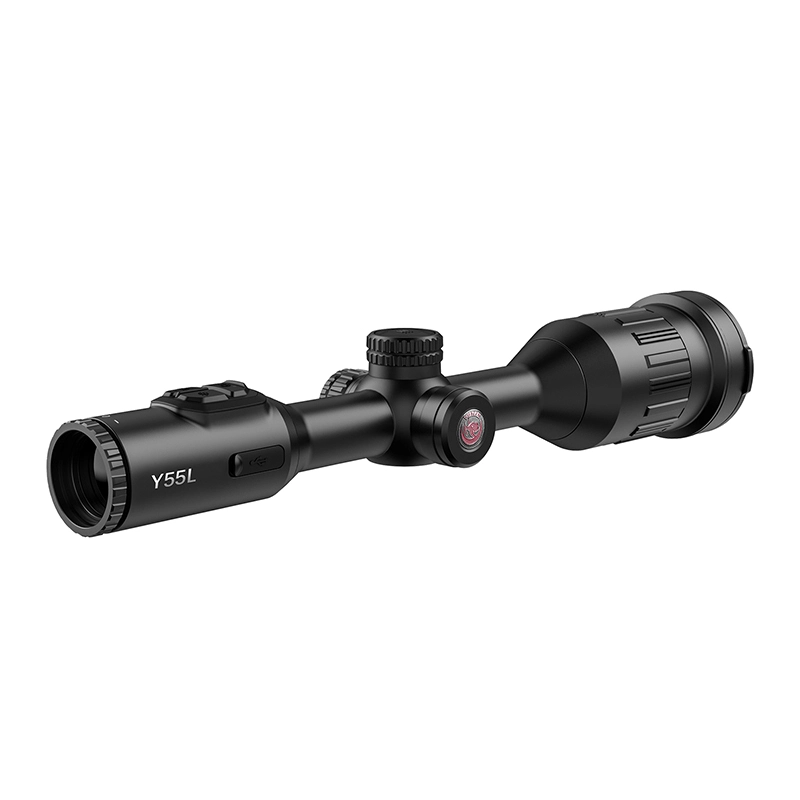
Basic devices often falter when the target’s warmth matches the nearby foliage closely. In contrast, a setup with less than 18mK NETD sensitivity handles these small differences effortlessly. Devices such as the YUBEEN Thermal Imaging scope Y55LRF allow users to detect a hidden predator in dense brush that remains out of sight to the human eye. Such detailed detection cuts down on uncertainty and lets hunters prepare better for their opportunity.
2. Identify Before You Aim
Ensuring accurate identification stands as the key element in responsible predator hunting. Hunters must differentiate between a bobcat, a wandering dog, or a young calf in complete darkness. Current thermal systems support this by featuring sharp OLED screens that deliver vivid, detailed views.
Rather than a fuzzy warm shape, a 1024×768 resolution screen offers the precise details required to observe ears, tail form, and movement patterns of the creature. Switching among various color modes, like White Hot or Fusion, proves useful based on the landscape. For instance, Black Hot mode tends to give a more realistic view of the animal’s structure, which helps in verifying the intended subject. This degree of sharp imagery builds assurance to take the shot only after confirming the exact target in the sights.
3. Leverage Smart Ballistic Precision
Firing in low light greatly complicates accurate distance judgment. A predator appearing nearby could actually stand at 300 yards, resulting in a failed attempt or an injured creature. Addressing this challenge involves using a built-in Laser Rangefinder (LRF) paired with a ballistic computer.
The Thermal Imaging Rifle Scope – ST35LRF streamlines the task by providing instant elevation adjustments. After entering details about the ammunition, the device computes the precise strike location no matter the zoom level. Options like “ballistic fitting” or “ballistic calculation” let users tailor the setup to their rifle configuration. Such features eliminate estimation errors in extended night engagements, guaranteeing the projectile hits right at the reticle’s position.
4. Use Hotspot Tracking for High-Stress Scenarios
Tracking herds of predators, such as wild hogs, can lead to losing sight of the main target following the initial discharge. A reliable method keeps focus on the fleeing animal amid the shadows. Smart hotspot tracking automatically spots and follows the warmest spot within the viewing area.
This capability serves like a helpful guide, marking the subject even as it passes through sparse plants. Employing it helps preserve awareness of the surroundings without constant manual tweaks. The tool works well in situations with several targets, enabling simultaneous monitoring of the group’s motions.
5. Stay Stealthy with Passive Detection
A major benefit of infrared technology lies in its passive detection approach. Unlike older night vision gear that typically needs an IR light source—which certain predators might notice—thermal sensors release no light or signals at all. This keeps the observer entirely hidden from the quarry.
Such invisibility proves essential when pursuing wary coyotes trained to spot the faint red shine from infrared lights. Since the equipment merely gathers natural warmth from nearby items, prolonged observation occurs without raising any alarms. This round-the-clock, weather-proof surveillance feature positions the hunter as the unseen pursuer at all times.
6. Overcome Pixelation with Advanced Algorithms
Hunters frequently note that boosting the digital zoom on thermal scopes leads to a grainy or blocky picture. This issue hinders clear viewing at greater enlargements. Selecting gear with sophisticated image enhancement resolves this problem effectively.
Custom AI-based digital interpolation methods work to bridge the spaces between pixels when zooming electronically. Consequently, the picture stays smooth and clear, even up to 8x enlargement. Observing a distinct shape of a predator from 200 yards under zoom enhances shot accuracy noticeably. This innovative solution means electronic zoom no longer compromises on picture sharpness.
7. Capture the Moment Automatically
The rush of excitement during a hunt can cause overlooking the need to start recording. As a result, valuable footage of an ideal strike might get missed. Opting for a scope with impact-triggered video capture prevents this oversight.
Internal detectors sense the rifle’s recoil at the instant of firing. The unit then saves footage starting a few seconds prior to the shot and continuing afterward, all stored securely in the 64GB built-in storage. These devices endure tough conditions, with ratings up to 1,500g impact resistance, protecting the components during use with powerful firearms.
8. Defeat the Elements Using Atmospheric Windows
Heavy mist, showers, and haze frequently make regular lenses and certain night vision tools ineffective. On the other hand, thermal waves in the 8–14 μm range penetrate these barriers. Experts call these wavelengths “atmospheric windows” since airborne water vapor lets them through unimpeded.
Tapping into this infrared segment allows pursuits in tough weather that keep others indoors. On a damp evening or a foggy dawn, the thermal detector still reveals distinct warmth outlines across the area. Dependable performance in any conditions marks the strength of premium infrared equipment.
9. Maintain Precision with Multiple Zeroing Profiles
Experienced hunters often switch between various rifles or ammo types based on the prey involved. Re-calibrating the scope for each change wastes valuable time. The ideal choice involves gear that stores several calibration settings.
Up to five distinct configurations can be saved in the device’s storage for quick access. Transferring the scope from a light coyote setup to a robust hog firearm happens in moments. The built-in processor retains the accurate aiming point for every saved option, so the opening shot stays true on any selected firearm.
10. Maximize Field Time with Smart Power Management
A failing battery during an extended evening hunt ranks among the worst setbacks. Dependable and adaptable energy solutions become essential. Although numerous models rely on common lithium batteries, effective power handling makes the real difference.
Efficient engineering in some models delivers more than 6.5 hours of steady runtime from one charge. Moreover, seeking units with Type-C external charging compatibility adds flexibility. Connecting a mobile power source enables full-night operations, preventing shutdowns just as opportunities appear.
Professional Service and Support
Purchasing advanced thermal gear also means gaining access to solid backing for the product. The producer provides a full two-year coverage for the whole system. Should any defect occur within that timeframe, the approach is replacement only without repairs, delivering a fresh unit promptly instead of drawn-out fixes.
Business collaborators can access OEM and ODM options to tailor items for particular demands. For those seeking exclusive distribution deals or large-scale purchases for dedicated groups, the procurement flows smoothly from prototypes to production inspections.
Contact Information
To enhance tactical performance, check the main site for full specs and purchase guidance. Skilled team members stand ready to help with inquiries on ballistic setup or sensor choices.
FAQs
Q: Can these thermal scopes see through glass windows?
A: No. Ordinary glass blocks infrared rays, so specialized materials like germanium form the lenses for these devices. Instead of penetrating, the thermal sensor captures warmth bouncing back from the glass surface.
Q: What is the difference between a cooled and an uncooled detector?
A: Cooled detectors yield superior accuracy but demand large cooling mechanisms. Uncooled versions suit most hunting and civilian applications because they remain compact, cost-effective, and sensitive enough to spot warmth from people or wildlife.
Q: How does the “ballistic fitting” mode work for a novice?
A: This mode functions as an intuitive system tailored for beginners in distant shooting. With basic settings entered, it figures out the bullet’s landing spot across all zoom levels automatically, freeing users to concentrate on aiming rather than complex computations.
