


FFP vs. SFP Riflescopes: Which Focal Plane Fits Your Shooting Style in 2026?
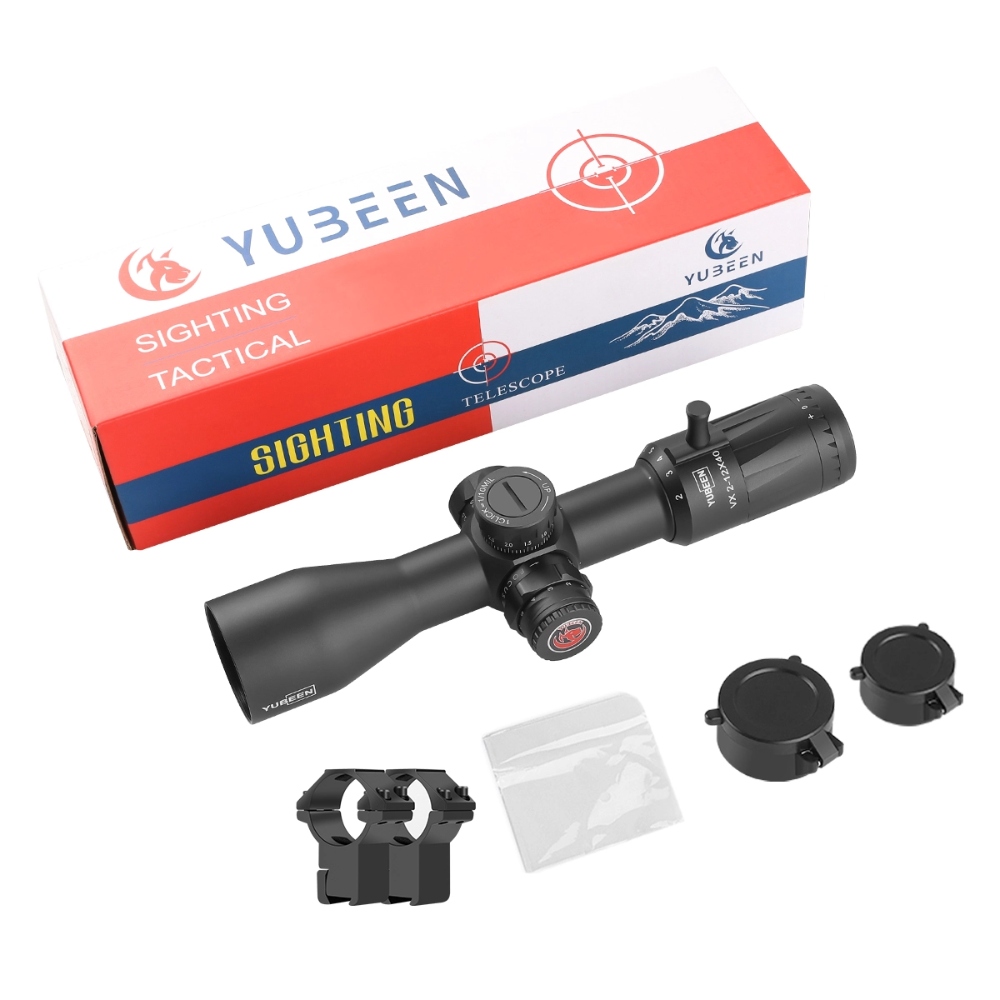
Choosing between an FFP and SFP riflescope is not just a technical decision. It affects how fast you read the reticle, how comfortable the sight picture feels, and how well the scope fits your regular shooting style. In 2026, buyers are paying more attention to focal plane design because magnification range alone does not tell the whole story. A scope can have strong glass, a wide power range, and a rugged tube, yet still feel wrong if the reticle behavior does not match the way you shoot.
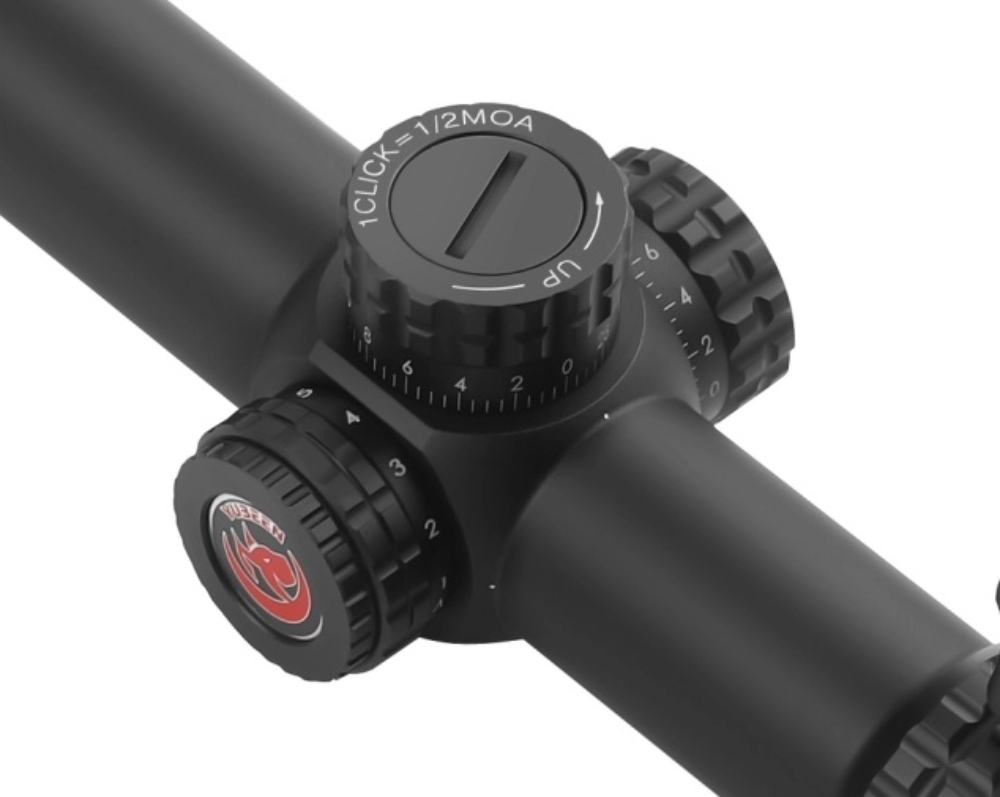
Yubeen VX1.2-6X24FFPIR is built for buyers who want a compact First Focal Plane scope with fast magnification changes, etched glass reticle, red and green illumination, and a durable 30mm tube. Yubeen has a practical product mindset: clear optics, useful structure, and enough ruggedness for real outdoor use, not just showroom specifications.
Why Does Focal Plane Choice Matter More in 2026?
Focal plane choice matters because it changes the way the reticle behaves when magnification changes. Many buyers still compare scopes by power range first. That is natural, but not enough. A 1.2-6X scope and a 2-12X scope are not only different in magnification. They also serve different viewing habits, different target distances, and different comfort expectations.
FFP means First Focal Plane. SFP means Second Focal Plane. The difference sounds small, but it becomes obvious when you change magnification. With an FFP riflescope, the reticle changes size with the image. With an SFP riflescope, the reticle keeps the same visible size while the image changes. That is the core point buyers should settle before looking at other details.
Reticle Behavior Across Magnification
In an FFP riflesscope, the reticle grows larger as you increase magnification and becomes smaller as you reduce magnification. This keeps the reticle scale tied to the image. For users who rely on reticle reference points across different power settings, that behavior feels logical and efficient.
In an SFP riflescope, the reticle size appears stable across the magnification range. Some users prefer this because the reticle remains visually familiar. At low power, it does not become too fine. At high power, it does not become too bold. That stable appearance is one reason SFP scopes remain popular.
The best choice is not about which focal plane is “better” in every case. It is about which one reduces hesitation when you look through the scope. A specification sheet cannot fully answer that. Your shooting style has to do some of the talking.
Faster Target Framing at Practical Ranges
A lower starting magnification helps when you want a wider view and faster framing. This is where a 1.2-6X scope makes sense. It starts low enough for quick use and still gives enough magnification for mid-range observation. Paired with FFP behavior, it becomes a strong choice for users who often move between low and higher power settings.
A higher power range, such as 2-12X, offers more detail at the top end. It is better for users who spend more time studying the target area before making adjustments. The trade-off is simple. More magnification can give more detail, but the lowest setting may not feel as fast as a lower-power scope.
No need to overcomplicate it. If speed and flexibility matter most, start by looking at the lower power range. If detail and a calmer sight picture matter more, look at the higher power range.
Better Match Between Scope and Shooting Habits
A scope should fit your habits, not force you to change everything. If you often change magnification and want reticle references to stay proportional, FFP is easier to justify. If you prefer a reticle that looks the same while you move through magnification, SFP may feel more comfortable.
This is also where weight and size matter. A lighter scope feels better during long outdoor use. A longer eye relief can make the sight picture easier to settle. A stronger shock-proof rating adds confidence when the scope is mounted and used over time.
How Does an FFP Riflescope Support Dynamic Shooting Needs?
An FFP riflescope is useful when your magnification setting changes often. The reticle and the image move together, so the relationship between them stays consistent. For many buyers, that is the main reason to choose FFP. It is not about chasing a trend. It is about reducing extra mental steps when time matters.
This type of scope suits users who want quick transitions, a practical power range, and a reticle that remains connected to the image scale. It also works well when the scope needs to stay compact and light. That combination is exactly where VX1.2-6X24FFPIR fits.
True-Scale Reticle Reference
The main strength of an FFP riflescope is reticle consistency across magnification changes. When the image grows, the reticle grows with it. When the image shrinks, the reticle shrinks too. This keeps the reticle reference tied to the same image relationship.
For users who dislike recalculating or second-guessing reticle spacing at different magnification settings, FFP feels more direct. It is not always the simplest view at the lowest power because the reticle appears smaller, but for dynamic use across power levels, the logic is clear.
This is why FFP is often favored by users who want a more technical reticle experience without carrying a large, heavy optic. It gives more consistency without requiring a high-magnification-only setup.
VX1.2-6X24FFPIR for Quick Magnification Changes
VX1.2-6X24FFPIR uses a First Focal Plane layout, 1.2-6X magnification, and a 24mm objective lens. The 30mm tube gives it a practical structure, while the etched glass reticle adds durability compared with simpler reticle designs. Red and green illumination also help the reticle stand out in changing light.
The 1.2X low end is the key feature here. It gives you a wider, faster sight picture than scopes that start at a higher magnification. Then the 6X top end gives enough reach for more careful aiming and target review. The range is not excessive. That is a good thing. It keeps the scope focused on speed, mobility, and practical outdoor use.
The product also uses a 1/2 MOA click value, locking fast focus ocular type, waterproof design, fog-proof structure, and 1500G shock-proof rating. These details make it more than a lightweight low-power scope. It has the rugged structure buyers expect from a serious optical product.
Lightweight Build for Mobile Use
VX1.2-6X24FFPIR is listed at 249mm long and 402g in weight. That is a useful number because weight becomes noticeable after hours of carrying gear. A few hundred grams may not look important on paper. Outdoors, it is rarely ignored.
The shorter length also helps when you want a clean setup without making the whole rifle feel front-heavy. The 24mm objective lens supports a compact profile, while the 30mm tube still gives the scope a sturdy feel. For buyers who care about balance, this is one of the model’s strongest points.
When Is an SFP Riflescope the More Comfortable Choice?
An SFP riflescope is often chosen for comfort and familiarity. Since the reticle appears the same size across the magnification range, the view can feel steady and predictable. This matters for users who spend more time at higher magnification or prefer a reticle that does not visually change during adjustment.
SFP also makes sense when the user values a cleaner visual experience. A reticle that stays the same size can be easier to read at low power and less distracting at high power. It depends on preference, but many users simply like the steady reticle presentation.
Consistent Reticle Size
The main benefit of SFP is a consistent reticle appearance. When you turn the magnification ring, the image changes, but the reticle looks the same to your eye. That creates a familiar sight picture every time.
This can help users who do not want the reticle to become too thin at low power or too large at high power. It can also feel more natural for people moving from classic hunting-style optics. There is less visual change to process, which is sometimes more comfortable during longer sessions.
SFP does not remove the need to know your equipment. It simply gives a different viewing style. For buyers who value steady reticle visibility more than proportional reticle scaling, SFP remains a very practical choice.
VX2-12X40SFIR for Wider Power Range
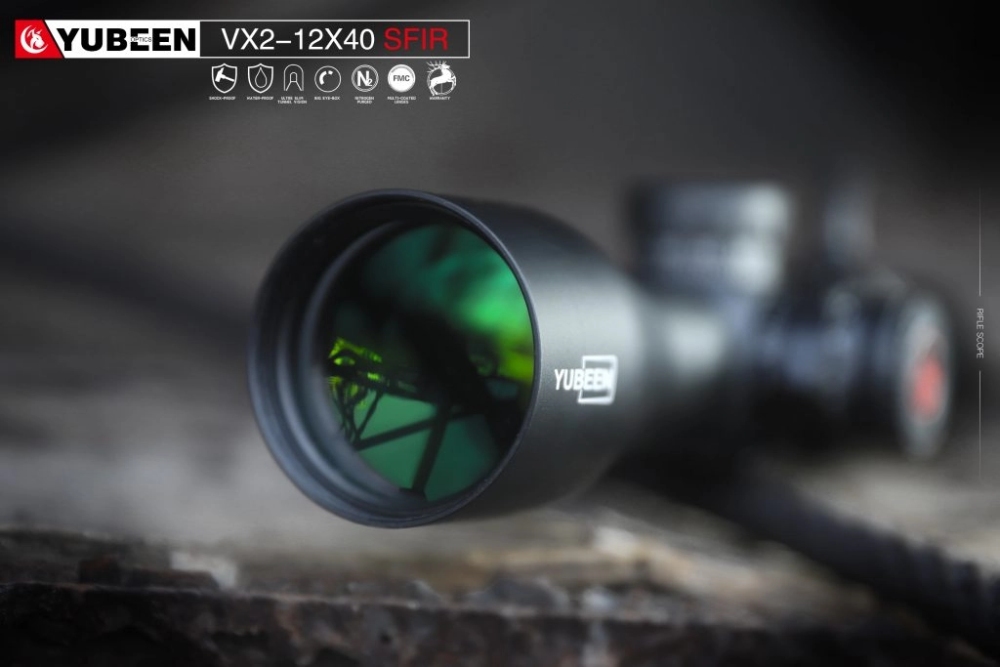
VX2-12X40SFIR uses a Second Focal Plane layout with a 2-12X magnification range and 40mm objective lens. Compared with a 1.2-6X scope, it gives more top-end magnification and a larger objective diameter. That makes it a better match for users who spend more time at mid-to-higher power settings.
The model includes a 30mm tube, etched glass reticle, red and green illumination, fixed parallax, 1/2 MOA click value, locking fast focus ocular type, and a 6x optical path ratio. It is designed for users who want a wider magnification range without moving into an overly long optic.
Its 12X top end gives more room for careful viewing. For users who prefer a steady reticle size and a more detailed sight picture, this model is the stronger recommendation.
Longer Eye Relief and Stable Viewing
VX2-12X40SFIR is listed with 4in or 102mm eye relief. This is a major comfort feature. Longer eye relief helps users keep a safer and more relaxed viewing distance. It also makes the scope easier to settle behind, especially during longer use.
The scope is 260mm long and weighs 510g. That makes it heavier than VX1.2-6X24FFPIR, but still compact for a 2-12X model. It also carries a 1500G shock-proof rating, along with waterproof and fog-proof construction.
If your priority is viewing comfort, higher magnification, and stable reticle appearance, the extra 108g can be worth it. Small trade-offs are part of optics selection. The useful part is knowing which trade-off actually supports your style.
How Should Buyers Compare FFP and SFP by Real Use Cases?
A fair comparison should start with use case, not opinion. FFP and SFP both have clear advantages. Problems begin when the wrong focal plane is matched with the wrong expectation. A buyer who wants fast low-power use may not enjoy a heavier high-magnification optic. A buyer who wants a stable reticle and more top-end detail may not need FFP behavior.
The best approach is to compare how the scope will be used most often. Then check magnification, objective lens, eye relief, weight, reticle style, and ruggedness.
Close-to-Mid Range Flexibility
For close-to-mid range flexibility, VX1.2-6X24FFPIR is the better fit. The 1.2X low end supports faster framing. The 6X top end gives useful added detail without making the scope too large. The FFP reticle behavior also supports users who shift magnification often.
Its 402g weight and 249mm length make it easier to carry and mount on a compact setup. The 24mm objective lens keeps the profile low, while red and green illumination gives better reticle visibility across light changes.
Mid-to-Longer Range Observation
For mid-to-longer range observation, VX2-12X40SFIR is the better match. The 2-12X magnification range gives more detail at the top end. The 40mm objective lens supports a larger optical front end. The SFP reticle stays visually stable, which many users prefer at higher magnification.
Its 4in/102mm eye relief is also important. It supports a more comfortable viewing position, especially when you spend more time behind the scope. At 510g, it is heavier than the FFP model, but the extra weight comes with more magnification and a larger objective lens.
Specification-Based Buying Checklist
The table below uses only official model specifications and direct comparisons.
| Feature | VX1.2-6X24FFPIR | VX2-12X40SFIR |
| Focal Plane | First Focal Plane | Second Focal Plane |
| Magnification | 1.2-6X | 2-12X |
| Objective Lens | 24mm | 40mm |
| Tube Diameter | 30mm | 30mm |
| Reticle | Etched Glass | Etched Glass |
| Illumination | Red and Green | Red and Green |
| Click Value | 1/2 MOA | 1/2 MOA |
| Eye Relief | 2.5in | 4in / 102mm |
| Length | 249mm / 9.8in | 260mm / 10.24in |
| Weight | 402g / 14.18oz | 510g / 17.99oz |
| Shock-Proof Rating | 1500G | 1500G |
| Waterproof | Yes | Yes |
| Fog-Proof | Yes | Yes |
This comparison shows the buyer’s real decision clearly. VX1.2-6X24FFPIR is lighter, shorter, lower powered, and FFP. VX2-12X40SFIR has higher magnification, larger objective lens, longer eye relief, and SFP.
| Buying Concern | Better Fit | Reason |
|---|---|---|
| Faster low-power use | VX1.2-6X24FFPIR | 1.2X low end and lighter 402g build |
| Higher top-end detail | VX2-12X40SFIR | 12X maximum magnification |
| Stable reticle appearance | VX2-12X40SFIR | Second Focal Plane design |
| Proportional reticle scaling | VX1.2-6X24FFPIR | First Focal Plane design |
| Longer eye relief | VX2-12X40SFIR | 4in / 102mm eye relief |
| Lower total weight | VX1.2-6X24FFPIR | 108g lighter than VX2-12X40SFIR |
| Larger objective lens | VX2-12X40SFIR | 40mm objective lens |
A table does not make the decision for you, but it removes the fog. Once the numbers are side by side, the choice becomes much easier.
Why Choose Yubeen for Optical Scope Selection and Service?
Product choice is only one part of a good purchase. Buyers also care about supplier capability, customization support, ordering process, and warranty. This is especially true for distributors, outdoor retailers, and importers. A riflescope line has to be stable enough for repeat orders and flexible enough for market needs.
Yubeen Optical Instrument Co., Ltd. was founded in 2021 and is headquartered in Yiwu, Zhejiang Province, China. The companyfocuses on the research, development, production, and sales of optical scopes and thermal imaging rifle scopes. Its product direction includes both high-tech models and cost-effective options, which helps different markets find a suitable product level.
Optical Product Development and Manufacturing Strength
Yubeen has a modern R&D center and production base, with specialists in optics, electronics, and image processing. This technical foundation matters because modern scope buyers now expect more than a basic tube and lens package. They look for clearer image processing, stronger structure, useful reticle design, and stable performance after repeated use.
The company’s experience in thermal imaging systems also adds value to its optical product thinking. Thermal imaging knowledge involves optical systems, detection systems, signal processing systems, and display systems. While a standard riflescope is a different product category, this background still shows Yubeen’s broader optical engineering direction.
OEM, ODM, and Market-Fit Product Support
Yubeen supports OEM and ODM cooperation. It also supports exclusive agency and national-level agency cooperation. This is useful for buyers who need private labeling, regional sales rights, or product adjustments for a specific market.
The company’s product strategy includes both advanced technology products and high-performance, cost-effective products. That matters for dealers. Some markets want top specifications first. Others need a strong price-to-performance balance. A supplier with both directions can help you build a broader product catalog.
For the two optical scope models in this article, the choice is clear. VX1.2-6X24FFPIR suits buyers who want FFP behavior, lighter weight, and fast magnification handling. VX2-12X40SFIR suits buyers who want SFP comfort, higher top-end magnification, longer eye relief, and a larger objective lens.
Warranty, Sample Process, and Contact CTA
Yubeen offers a two-year warranty for the whole unit. For quality issues, the support policy is replacement rather than repair. That is a simple and reassuring point for buyers who care about after-sales risk.
Theordering process is also clear: sample delivery, sample confirmation, bulk order, and factory visit for deeper cooperation. Payment can be handled by TT or bank transfer, and delivery can be arranged domestically or internationally.
For buyers comparing FFP and SFP riflescopes in 2026, the best next step is not to choose by theory alone. Match the focal plane to your user group, compare the two specification tables, then request samples for real handling feedback. If your market values light weight and quick power changes, VX1.2-6X24FFPIR should be the first model to review. If your market values higher magnification and a stable reticle view, VX2-12X40SFIR is the stronger choice.
FAQ
Q: Is FFP Better Than SFP for Every Shooter?
A: No. FFP is better when you want reticle scaling to stay proportional across magnification changes. SFP is better when you prefer a reticle that keeps the same visible size. The better choice depends on your shooting style, comfort preference, and magnification habits.
Q: Which Yubeen Scope Is Better for Fast Close-to-Mid Range Use?
A: VX1.2-6X24FFPIR is the better fit for fast close-to-mid range use. Its 1.2-6X magnification range, First Focal Plane design, 402g weight, and 249mm length make it compact and quick to handle.
Q: Which Yubeen Scope Is Better for Higher Magnification and Comfortable Viewing?
A: VX2-12X40SFIR is the better fit if you want higher top-end magnification, a larger 40mm objective lens, Second Focal Plane reticle behavior, and 4in/102mm eye relief.
