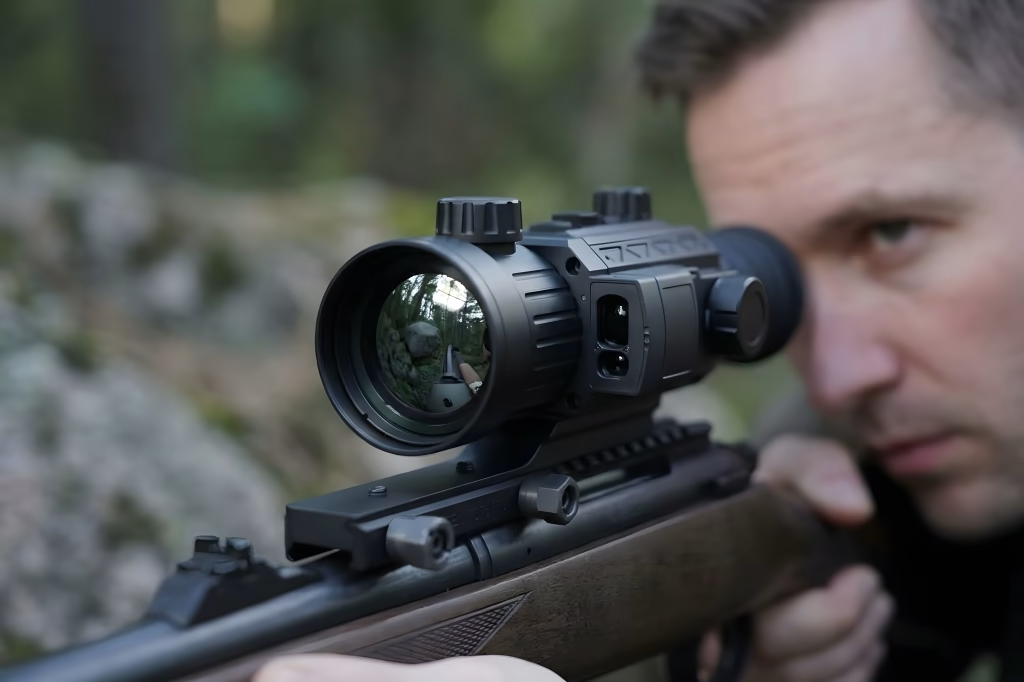
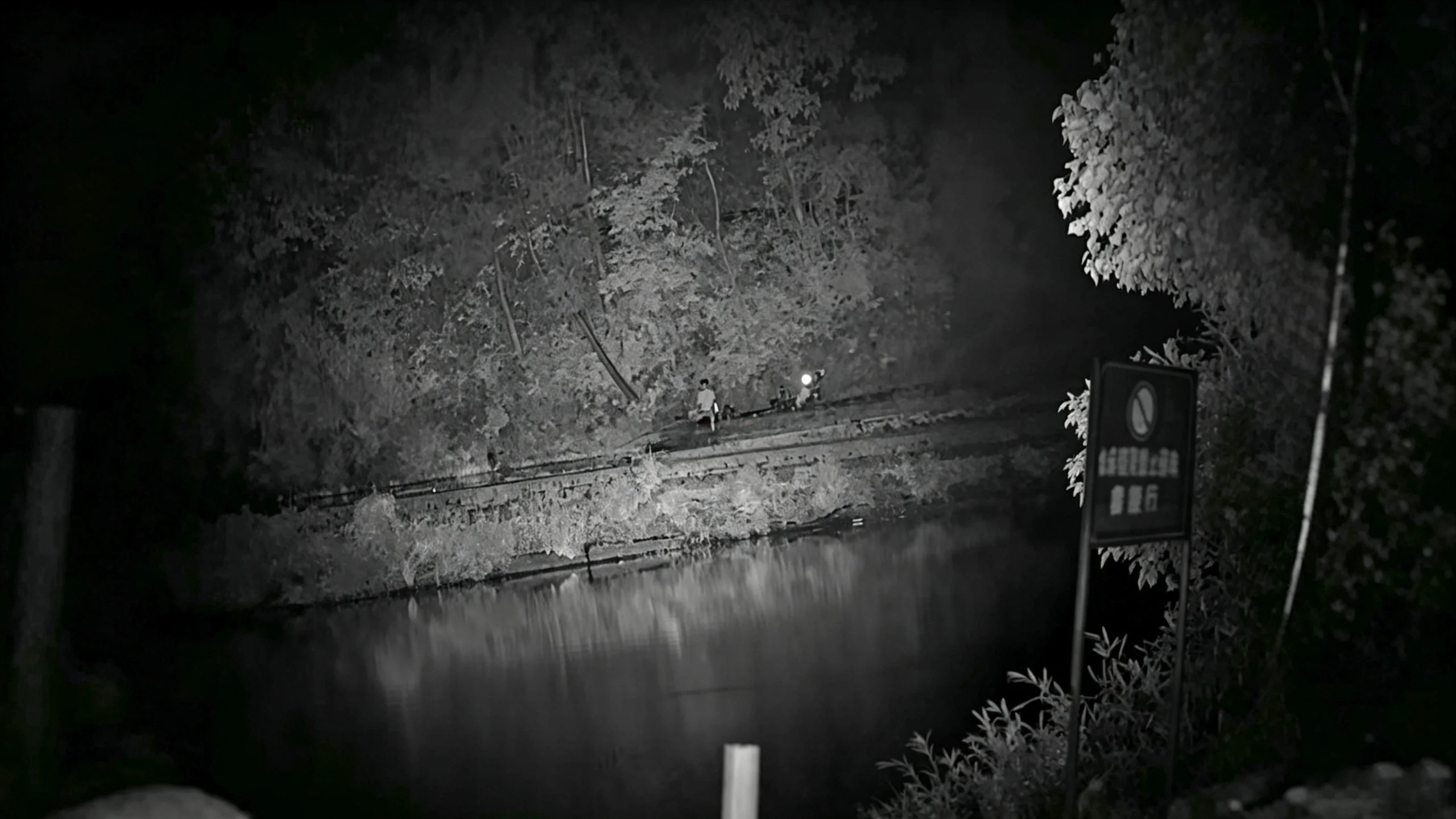
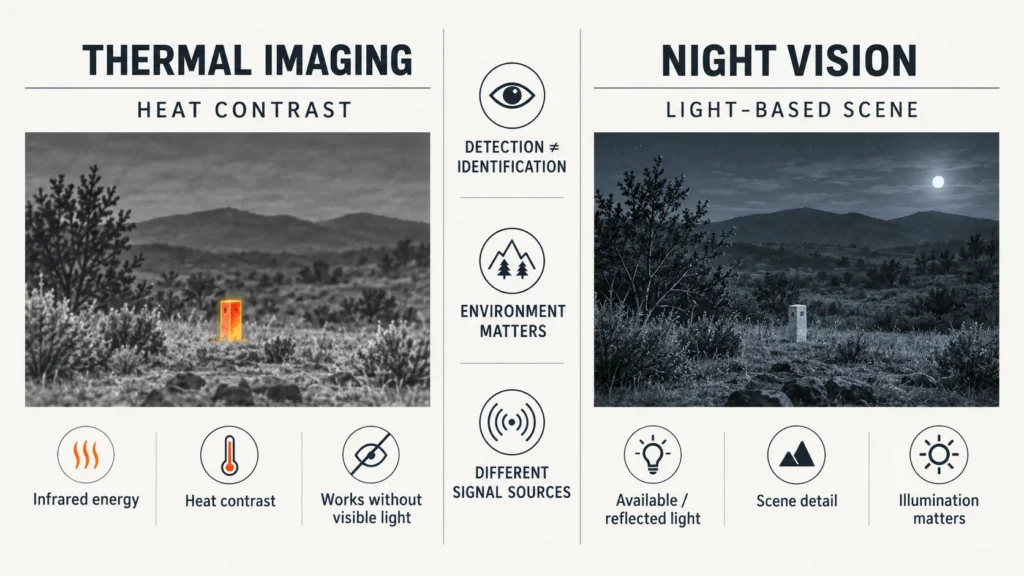
Thermal scope vs night vision comparisons are most useful when they begin with the type of information each technology reveals in real conditions. On a dark trail or a moonless field, the first useful question is not which device is more advanced. It is what information will be hardest to see. A thermal scope turns heat contrast into a visible image, while night vision preserves a light-based view of the scene. That difference changes the experience: thermal can bring a warm subject out of a confusing background, while night vision can make branches, terrain, and man-made objects easier to interpret when enough light reaches them.
The choice is not a contest to win. Both technologies have limits, but the factors that affect them are not identical. Thermal performance depends strongly on thermal contrast and environmental conditions, while night vision depends more on available illumination. Weather, vegetation, subject size, focus, and physical obstructions can also affect practical use. The better option is the one that solves the first visibility problem in the conditions you actually expect.
Quick answer: Thermal is usually the stronger starting point when locating a heat signature in very low or no visible light is the first problem. Night vision is often better for a familiar, light-based view of terrain and object detail when usable illumination is present. Weather, scene conditions, vegetation, subject size, and focus can still affect practical performance.
Start With the Signal, Not the Marketing Label
A thermal scope converts differences in infrared energy into a visible image. Night vision forms an image from available or reflected light. Depending on the system, that light may come from ambient illumination or an infrared illuminator, while the image is produced through image intensification or a digital sensor. The two systems therefore rely on different types of scene information.
Thermal does not need moonlight to form a heat-based image. That can be valuable when the environment is dark and a warm object does not stand out visually. But a bright thermal shape is not automatically a detailed description of the subject. Heat contrast changes with surface temperature, background conditions, distance, and the amount of the subject that is visible.
Night vision, by contrast, can retain a more familiar arrangement of edges, textures, and light-and-dark relationships. With adequate illumination, that can help a user understand where paths, branches, fences, equipment, and other scene features sit around the subject. The trade-off is that the light reaching the scene matters much more.
What Changes in a Real Night Scene?
When ambient light falls away
As usable light decreases, thermal and night vision stop feeling interchangeable. A thermal device can still present heat contrast when the scene looks almost black to the unaided eye. A night-vision device may need more ambient light or an appropriate infrared illuminator, depending on its design.
That does not mean thermal contrast is fixed. After a warm day, rocks, soil, vegetation, and structures can retain heat. When foreground and background temperatures move closer together, the difference between them can become more subtle. Low NETD can help reveal smaller thermal differences when test conditions are comparable, but scene conditions still determine how useful the result is.
When scene context matters
Finding a warm shape and understanding the surrounding scene are separate tasks. Night vision may provide more natural visual context when light is available, especially where texture and edge definition matter. Thermal may instead prioritise the contrast between a heat signature and its background.
Neither output should be treated as a shortcut to certainty. Detection means noticing a qualifying heat source or visual presence. Recognition means assigning a broad class. Identification requires enough detail to confirm the specific subject needed for a decision. One specification or one image mode cannot collapse those steps into the same claim.
In rain, fog, and physical obstruction
Poor conditions change both technologies, but not in exactly the same way. Rain, fog, humidity, low thermal contrast, and solar heating can reduce useful thermal separation. Low ambient light, glare, and reflective surfaces can also complicate a night-vision view. Dense foliage and solid objects can obstruct both technologies. Ordinary glass generally blocks long-wave thermal imaging, while night-vision performance through glass depends on the system, lighting, reflections, and use of IR illumination.
For a closer look at the factors behind thermal picture quality, see YUBEEN’s guide to thermal scope resolution and frame rate.
Thermal Scope vs Night Vision: Comparison in Practice
| Real-use question | Thermal scope | Night vision |
|---|---|---|
| What forms the image? | Infrared heat contrast from the scene. | Reflected light captured through image intensification or a digital sensor; some systems use IR illumination when ambient light is insufficient. |
| What happens in very low visible light? | It can still form a heat-based image without visible light. | The result depends more on available light or suitable IR illumination. |
| What is often easier to notice first? | A heat signature that contrasts thermally with the background. | Terrain shape, edges, surface texture, and object context when the scene is illuminated. |
| What can reduce the result? | Low thermal contrast, humidity, rain, fog, solar heating, target size, focus, and obstruction. | Very low light, glare, reflective surfaces, illumination quality, focus, and obstruction. |
| What should not be assumed? | That detection equals recognition, identification, or a usable distance for every task. | That a familiar-looking image remains equally clear as light falls away. |
The table is a starting point, not a substitute for matching a device to local laws, responsible use, and the actual environment. A product category page such as YUBEEN’s thermal imaging rifle scope range can help narrow the thermal side of the comparison, but the technology choice still comes first.
Choose by the First Decision You Must Make
Do you first need to notice heat in near-total darkness?
If the first obstacle is locating a heat signature when there is little or no visible light, thermal imaging is normally the more relevant starting point. It makes temperature contrast the core visual signal instead of waiting for the scene to be illuminated.
Do you first need a familiar view of the scene?
If the priority is reading terrain, vegetation, signs, equipment, and fine visual context, night vision may fit better when there is enough usable light. It can present a scene in a way that is closer to ordinary visual interpretation.
Will the environment move between both conditions?
Mixed settings deserve more thought than a one-word answer. A wooded area can shift from residual twilight to full darkness; a field can shift from cool ground to low thermal contrast after warming. Consider when you will observe, how much light is normally present, and which limitation arrives first.
For a more specific application across open fields, woodland edges and changing light, see our terrain-based comparison of thermal and digital night vision for coyote and hog hunting.
Are you comparing numbers that answer different questions?
Avoid treating detector resolution, pixel pitch, NETD, lens size, base magnification, and digital zoom as if they measure the same thing. Digital zoom enlarges captured detector data; it does not add new native detail. Published detection distance is also only a detection claim. It does not establish recognition, identification, or a permitted use distance.
For a broader selection framework, YUBEEN’s thermal rifle scope buying guide is useful once you know that a thermal-first approach fits your conditions.
Where the ST35Pro Fits a Thermal-First Use Case
For users who decide that thermal contrast is the first visibility problem to solve,
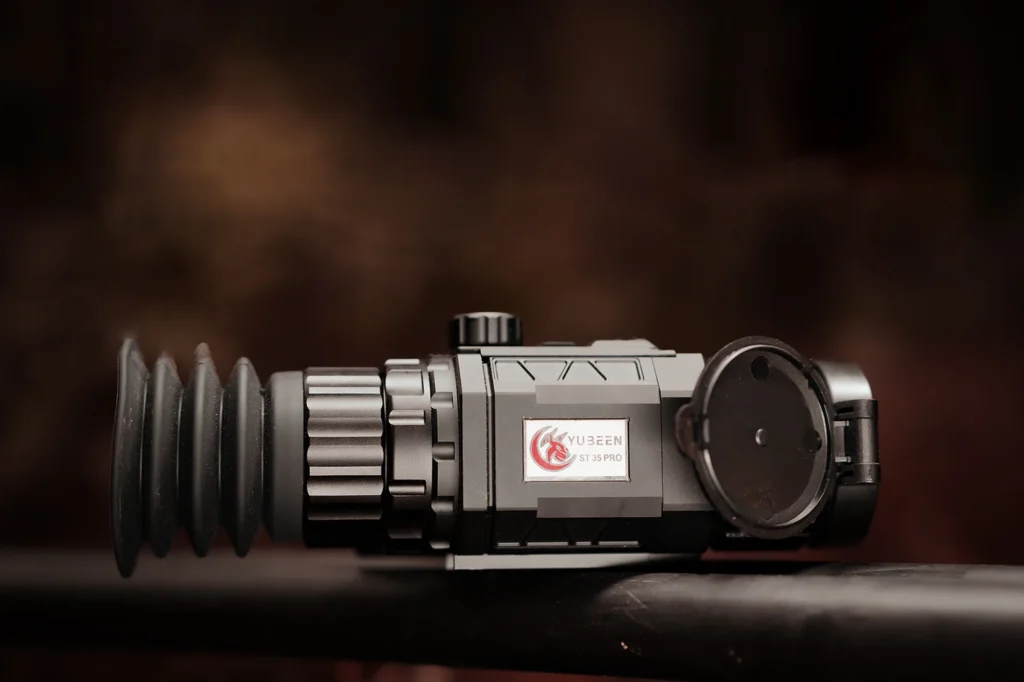
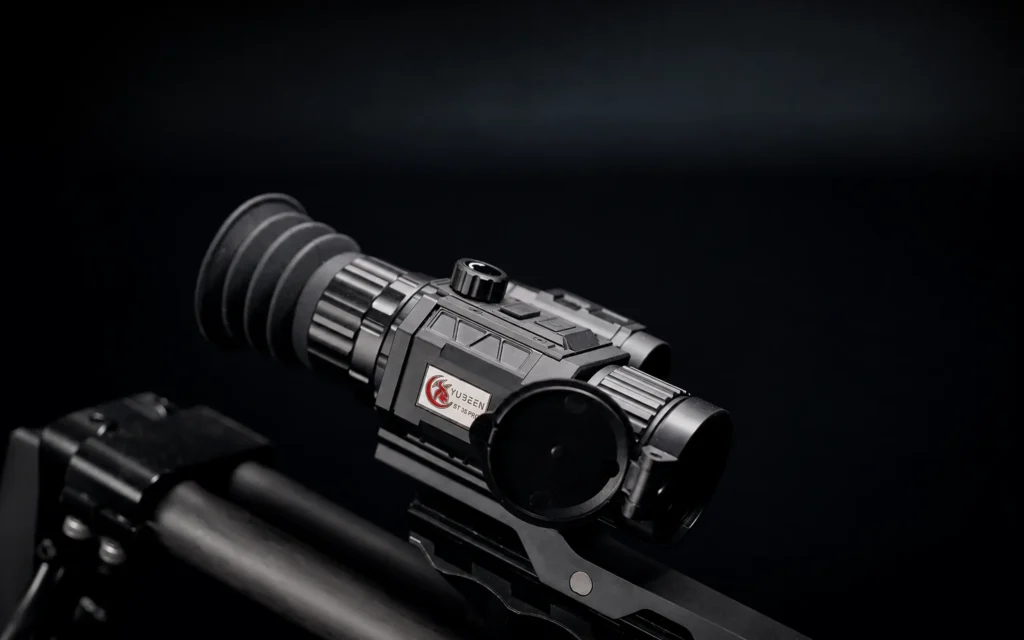
the Yubeen ST35Pro represents the current generation of the ST35 thermal imaging platform.
It is the upgraded successor to the previous ST35L and is intended for users who prefer
a thermal-first view of the environment.
The choice between thermal imaging and digital night vision should still be based on
the conditions in which the device will be used. Thermal imaging prioritizes thermal
contrast, while digital night vision preserves a more visually familiar representation
of the scene.
For current specifications and product information, see the ST35Pro thermal imaging riflescope.
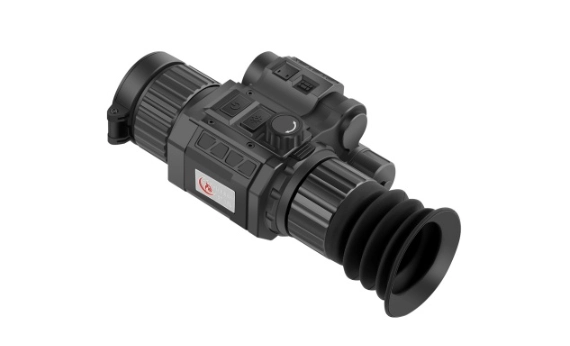
YUBEEN develops own-brand thermal imaging and optical products for international markets. Within that range, the ST35L is relevant when the goal is to begin with a heat-based view and then interpret the result carefully against the terrain, weather, and task at hand. Its stated IP66 protection rating can inform environmental planning, but it does not mean weather leaves image quality unchanged.
A Short Decision Checklist Before You Choose
- Is the first limitation a lack of visible light, or a lack of scene detail?
- Do you need to find heat contrast first, or interpret a light-based scene first?
- How often will humidity, rain, fog, solar heating, or dense vegetation affect the view?
- Which model-specific figures are native image specifications, and which are conditional performance statements?
- Have you kept detection, recognition, identification, and any distance-related decision separate?
When those answers point to thermal, compare the relevant models through the YUBEEN product range rather than choosing from a single headline number.
Conclusion: Choose the Image That Solves the Earliest Problem
Thermal vs night vision is best decided by the first visibility problem you expect to face. Thermal is often the better match when heat contrast must remain visible with little or no ambient light. Night vision can be the better match when the scene itself needs to stay visually familiar and enough illumination is available. In either case, weather, background conditions, subject size, focus, and obstruction still set practical limits.
If you want to discuss the ST35L or compare a thermal-first setup with your intended environment, contact YUBEEN for model-specific guidance.
FAQ
Is a thermal scope better than night vision in total darkness?
Thermal is often the stronger starting point in total darkness because it forms an image from heat contrast rather than visible light. That advantage does not remove other limits: low thermal contrast, humidity, weather, subject size, focus, and obstruction can still reduce the usefulness of the image.
Can thermal imaging identify what a heat signature is?
Not by itself in every condition. Thermal imaging can help detect a heat signature, but detection is different from recognition and identification. Distance, target size, image contrast, background temperature, weather, focus, and the amount of visible subject detail all influence what can be concluded responsibly.
Does higher digital zoom make a thermal scope see farther?
No. Digital zoom enlarges the data already captured by the detector; it does not add new native detector information. At higher zoom levels, perceived detail can decrease. Evaluate base magnification, detector resolution, lens, field of view, and real operating conditions together.
How do rain, glass, and dense vegetation affect thermal scopes?
Rain, fog, humidity, and low thermal contrast can reduce thermal performance. Ordinary glass and solid objects block the thermal view, while vegetation can hide part or all of a subject. Thermal imaging is a heat-contrast tool, not a way to bypass physical obstructions or weather limits.