


Why Thermal Scopes Are the Future of Predator Control and Pest Management
The late night times on a farm are seldom quiet. If you have property, you understand those noises: the soft move of dry plants, the far crack of a fence, and the clear sharp call of a group of coyotes. For many years, growers and hunters have battled hard against these night visitors. Wild pigs can ruin large areas of costly fields in just one night, while animals that hunt prey pick on farm animals with careful aim under the dark cover. Usual ways, such as bright lights or basic night sight, usually do not work well because they depend on outside light or cannot go through thick bushes or foggy open lands that mark country areas. These old tools often leave users frustrated, as they struggle to spot threats in tough spots, leading to more damage over time and higher costs for repairs and lost goods.
This is the point where new tools put control back in your control. Heat imaging is not just for top army groups anymore; it has turned into the main item in the current set of tools for handling pests and controlling hunting animals. By finding warmth instead of light, these viewers let you spot the hidden dangers that harm your work. As more farmers turn to this tech, they find it changes how they guard their land, making tasks faster and safer while cutting down on guesswork during busy nights.
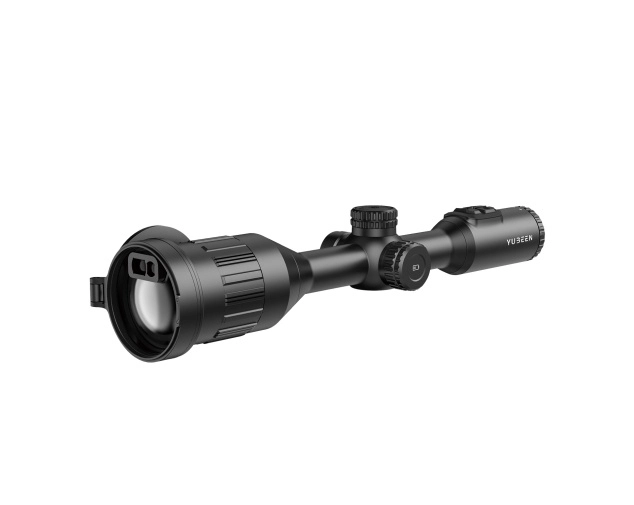
Meet the Expert in Your Corner: Yubeen
Yubeen is behind all this gear. For long-lasting equipment for use in real farms, they are worth checking out. Yubeen stands out for having a sharp sensor view and case, intended for use in wet fields and for those who need long-lasting products, not toys.
Imagine them as a silent land care assistant. They have a group of people who test viewers on land, moist air, water, and cold. When you purchase their product, you’re getting an intelligent discover system with the viewer, eliminating the guesswork of the dark of night. The design is intuitive so you don’t have to worry about button presses in the dark. It’s people-centric technology for professional-grade tools for anyone who keeps the land safe. They have simple directions to help busy farmers use the tools to the best of their ability without technical knowledge.
The Thermal Advantage: Why Traditional Optics Fall Short
To value why heat viewing is the next step, you first need to see the weak spots of old ways. Basic night sight runs by making stronger the light that is already there, like moon glow, star shine, or added red light (IR) helpers. If a pig stands in the deep shade of a big tree, or if the sky is cloudy, night sight often gives a rough, hard-to-see picture. Also, hunting animals like coyotes are very smart; many have figured out the “red light” from an IR helper, so they run away before you can even lift your gun. These limits make old tools less useful in real night hunts, where quick and clear sight is key to success and safety.
Heat imaging uses a whole other base in physics. Every living thing gives off warmth. A heat viewer finds these small warm differences and turns them into a clear picture map with strong contrasts. This lets a wild pig not stay hidden in high grass or dense plants because its body warm shows through the green. You get full know of the area. You can look over a 40-acre field in moments and right away see the bright white mark of a hunting animal, even if it stays still and blends in. This change from looking hard to just seeing clear is what makes heat viewers the top pick for current pest care. Users often report that this tech cuts hunt times in half, allowing more focus on other farm tasks while keeping watch effective and reliable.
Precision Identification with the Long-Range Expert
In wide open lands, far reach is your main hard part. Hunting animals are careful, and getting close to 100 yards of a coyote group is a tough job even for skilled hunters. You need the skill to name goals from a far spot that keeps you hidden. This is where top-detail sensors turn must-have. If you cannot tell a hunting animal from a young cow at 300 yards, the tool has no point.
The Thermal Imaging Riflescope – Y65L is built just for these far spots. With its new sensor, this viewer gives a level of clear that lets you tell between a close dog’s pet and a attacking coyote at long ways. This sharp is key for safe and good work. When you check the edge of your land, you need to be sure of your goal before you shoot. The Y65L gives a broad view area for looking plus the zoom power for exact hits. Its skill to keep picture steady and clear even at high zoom makes sure you can handle pests in a kind and right way, no matter how far they stand from you. This model also works well with different guns, making it a flexible choice for various hunt setups, and its battery lasts long enough for full night shifts without worry.
Tackling the Distance Challenge with Integrated Tech
One of the largest blocks in night hunting is losing the sense of how far things are. When you look through a screen number in the dark, the place seems flat like a picture. A pig that seems 100 yards off might really be 200 yards, leading to shots that miss or, worse, hurt animals that get away. For good pest work, you must have a true hold on range to make sure your shot lands right.
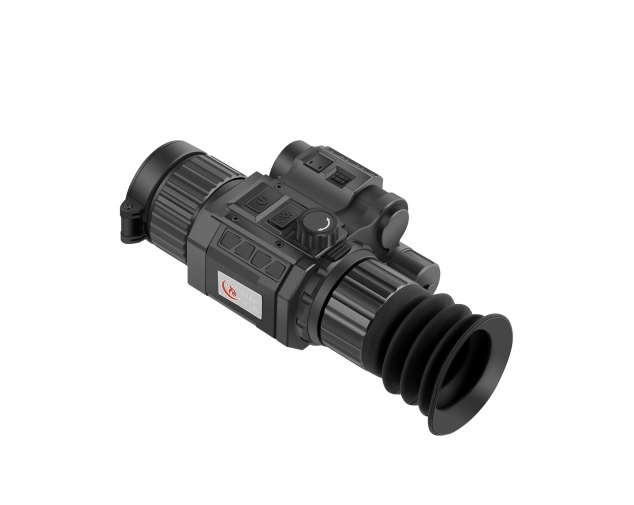
The Thermal Imaging Rifle Scope – ST35LRF fixes this exact issue by putting a Laser Range Finder (LRF) right into the viewer. Instead of thinking the far, you push a key and get a fast, exact read of just how far your goal is. This part changes the game for night jobs. It lets you fix for bullet fall right then, making sure every shot you take works well. Whether you move over hilly ground or flat areas, the ST35LRF gives you the facts needed to make sure choices. It turns a hard night walk into a set, pro step, making sure no pest gets away because of a basic wrong count of far. This built-in tool also saves time during hunts, as users can adjust quickly without extra gear, boosting overall skill in the field and making operations smoother for teams or solo users alike.
Data-Driven Success: Recording for Evidence and Analysis
Current pest care is as much about facts as it is about good aiming. In old times, you would just go out, shoot, and wish the numbers went down. Now, you can use tools to get a better view of the issue. Both the far-reach and close-fight viewers noted above come with top-clear video save skills, which give more worth than just fun clips for online shares.
Saving lets you look back at your takes to learn about pest ways. Do the pigs come into the field from the same break in the fence each night? Do the coyotes move in a set path? By checking the video, you can plan your next step better. Also, it acts as proof. If you work with near farm offices or money groups, having clear heat video of the harm and the after care steps gives solid show of the pest push you deal with. It changes your viewer from a plain aim tool into a full care item that notes the true state of your land. This data can even help in talks with experts or in reports for grants, showing patterns that lead to better long-term plans for land health and pest drop.
The Economic ROI: Protecting Your Bottom Line
While the first cost for a good heat viewer might look big, the gain on that put (ROI) often shows up in one year. Think of the price of one field of corn wrecked by pigs or the loss of a few young cows to coyotes. In many places, the money harm from these pests hits thousands of dollars each year. Past the direct loss of animals or plants, there is harm to tools, like water lines and fences, which pigs often break.
By using heat tools, you are not just “hunting”; you are setting up a stop-ahead keep program for your land. The good work of heat means you use fewer hours in the field while getting better win rates. You save on gas, you save on time, and most key, you guard your things. When you see the buy as land safe, the gear pays for itself by cutting the steady pull on your money from wild animals not controlled. It is a one-time money out that watches your ongoing earn. Farmers who switch often see quick wins, like less crop loss and lower vet bills, which add up to real savings and let them grow their work without constant worry over night threats.
Durability and Service: Your Long-Term Partners
Animal control does not take place in a clean room; it happens in wet, dirt, and shake from a ride vehicle hold. You need gear that will not stop when a group of pigs comes into view at last. The build of pro-level heat viewers shows a promise to lasting, using top-make parts that can take strong kick-back and rough weather hit. You need to know your aim will stay even after rough ride in a truck bed all day.
Past the hard parts, the help behind the item is what makes sure your ongoing win. When you pick pro-level viewers, you get open to tech aid that can help you set your device for your own ground type. Whether you need guide with setting aim for a new gun or getting the most battery time during a long cold night, having a sure talk point is very useful. The aim is to make sure your gear is always set when the light fades, giving you calm that your place is safe. Making the move to heat tools is the best way to lock in the next step for your land. This support includes fast fixes and tips on care, ensuring the gear stays top shape for years, which is vital for those who use it often in changing weather and rough spots.
FAQ
Q: Can thermal scopes be used during the daytime without damaging the sensor?
A: Yes, unlike basic night sight which can get hurt for good by sun light, heat sensors do not change from seen light. You can use your heat viewer in full day light, in the middle sun, or in full dark without any risk to the inside parts. This makes them very useful for moving from day look to night care. The tough build means no need for covers or switches, saving time and making the tool ready for any hour.
Q: How far can I actually see a target with a high-end thermal scope?
A: While “spotting” a warm mark can occur at very long ways (often over 1,000 yards), the main part is “naming.” With a top-work viewer, you can often find a warm source at huge far and sure name it as a set animal, like a coyote or pig, at some hundred yards based on weather like wet air and around warm. Clear nights give better range, while fog might cut it a bit, but the tech still beats old ways in most cases.
Q: Do I need to be a technical expert to operate the recording and range-finding features?
A: Not at all. The control is made to be easy for hunters and land owners who may not like hard numbers. Most parts, like the laser far finder or the video save, are run by plain, feel keys that you can use even with hand covers. The list systems are direct, letting you get full clear on your device’s skills in moments of opening the box. Quick start guides and simple screens make learning fast, so you can focus on the job rather than the tool.
