


Why 12μm Pixel Pitch is the New Standard for Modern Thermal Optics
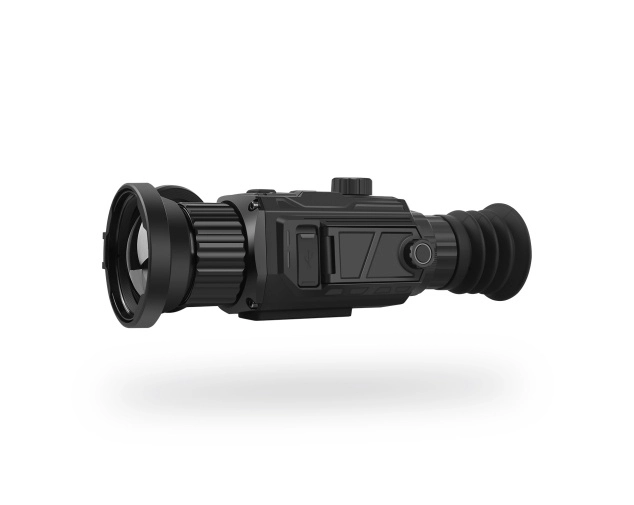
The landscape of thermal imaging has shifted. If you have followed the industry for a few years, you likely remember when 17-micron sensors were the gold standard. Today, that has changed. The emergence of the 12μm pixel pitch represents a massive leap in how we detect heat and identify targets. For professionals and enthusiasts alike, choosing the right sensor technology is no longer just about resolution; it is about physical efficiency and optical performance.
The industry movement toward precision is driven by pioneers who blend military-grade durability with intuitive design. Yubeen stands out in this field, engineering high-performance thermal solutions that provide a definitive edge during field operations. Whether tracking game or securing a perimeter, this equipment is built to endure the toughest environments while delivering the unmatched clarity necessary for high-stakes decision-making.
The Technical Shift: 12μm vs. 17μm
To really understand why the field is shifting to even smaller pixels, one must examine the basic makeup of the sensor itself, where pixel pitch means the space from the middle of one pixel to the middle of the one right next to it, and by cutting this space down from 17μm to 12μm, the makers can fit a lot more pixels into exactly the same amount of area without needing to expand the overall size of the device. This approach not only keeps things compact but also opens up new possibilities for how thermal tools perform in everyday tasks.
At the heart of this change lies the increased number of pixels, which allows for better picture detail in a device that stays small and light instead of growing into something bulky and hard to carry around. In the past, those 17μm sensors demanded bigger lenses just to reach good levels of zoom, and that extra size made the whole setup heavier and less practical for people on the move. Yet the 12μm approach flips this around completely by enabling slimmer builds that actually work better than the older, larger models ever could, giving users more freedom in how they set up their gear for different needs.
Beyond just making room for more, this move affects how well the sensor picks up small heat changes and how fast it handles image data, and although some people worried that tinier pixels might create extra unwanted spots in the picture, the new ways of building these parts now guarantee that the sensors keep a small Noise Equivalent Temperature Difference (NETD) value, so the result is a picture that stays clean and full of detail even when the heat differences are faint, like during a damp evening or when rain makes things harder to see. This reliability means that tools with 12μm tech hold their value in all kinds of weather, providing steady performance that builds trust among those who depend on them for important work.
Higher Magnification and Detection Range
For the majority of people using thermal optics, the main aim remains spotting things from farther away and making out details with confidence, and the 12μm sensor brings a built-in edge in this area through its stronger starting zoom level, since the closer spacing of pixels creates a tighter view of the scene for any standard lens compared to what a 17μm sensor would show, which in turn lets users examine far-off items with far more sharpness and less guesswork involved. This natural boost in focus proves especially useful in wide-open spaces where distance matters most.
If someone spends time hunting over long stretches or handling security tasks that require careful watching, this setup extends the distances for Detection, Recognition, and Identification (DRI) in a noticeable way, because while noticing a heat shape from afar counts as a start, figuring out whether it is a wild animal or something tame at around 500 yards calls for the exact level of detail that comes only from a 12μm pitch, allowing for safer and more informed choices right when they count the most.
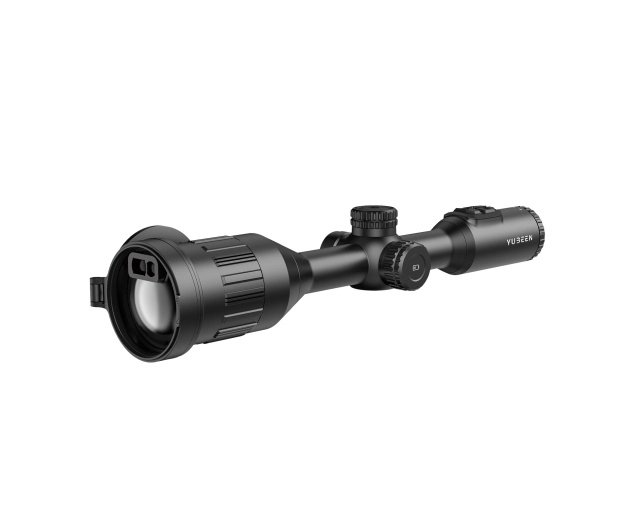
A clear case of this strength shows up in the Y65L Thermal Imaging Riflescope, which makes full use of the 12μm standard to give people an amazing reach for spotting and a steady picture that does not lose quality even as you push the digital zoom to higher settings, so when a user peers through such a well-made optic, the improved way targets stand out becomes obvious from the first look and continues to impress during extended sessions.
Achieving Superior Image Clarity
Moving to 12μm also fixes the usual issue of rough edges in pictures known as “pixelation,” where older 17μm devices turn fuzzy or square-like as soon as you apply digital zoom, but with smaller pixels, the shift between zoom steps happens much more evenly, leading to a viewing feel that looks smooth and true to life, which eases the tiredness in your eyes over hours of steady watching and makes long tasks less draining overall.
Such clear views matter a great deal in tough spots like thick plants, misty air, or smoky areas that hide heat signs, because the greater number of pixels in a 12μm sensor helps the built-in software tell apart the usual warmth of the surroundings from the specific heat of what you want to track, creating a sense of layers in the image that gives depth and context which past tech could never quite reach, thus improving how users react to what they see.
For anyone who wants a smooth and high-quality way to watch scenes, the ET50 series comes built to bring out these strong points fully, as it shows heat pictures with a even flow that catches every small shift in movement out in the open, and this kind of fine detail often decides between a good result and one that slips away unnoticed.
Compact Design: More Power, Less Bulk
Carrying weight plays a big role for those who haul a rifle across long paths, and one of the top real-world gains from the 12μm standard comes in shrinking the overall size of the tool, since a smaller sensor lets the lens setup stay tight while still pushing out strong results, which improves how the rifle feels in balance and cuts down on the strain from holding it for a while. This design choice makes fieldwork more comfortable and effective for extended trips.
On top of that, these newer sensors tend to use less power in their daily run, as they get made to draw smaller amounts of energy, and that change leads straight to batteries that last much longer during outings, so users end up with gear that weighs less, runs stronger, and keeps going without recharge for more time—key elements that boost how well someone performs away from base in rough outdoor conditions.
The way modern 12μm optics fit into the hand has gotten fine-tuned to suit people who stay active on their feet, with outer cases that flow smoothly to avoid catches on packs or plants, making the whole item simpler to grip and move with during tasks. By picking a current 12μm optic, a person puts effort into a helper that supports their work instead of adding extra load to carry around, which keeps focus on the job at hand rather than fighting the equipment.
Technical Support and Lifetime Service
New ideas in tech only shine as bright as the help that stands ready to back them up, and when switching to top-level thermal optics, it pays to confirm that the money spent stays safe through solid care options, as leading makers now lean toward putting service first so users always find skilled advice close by whenever problems pop up or questions arise.
With each item that leaves the factory, a promise of strong quality comes along, often in the form of a one-year cover against any build flaws that might show, but the deeper worth appears in ongoing talks with experts who guide through tweaks or ways to get the most from the tool, where trained staff wait to offer help from afar if something goes off track during use.
To keep things running without hitches for everyone involved, these fine optics include full guides in English along with clear drawings of the inner workings, which means that regardless of location around the globe, operators can handle their setup with sure steps and no doubts. The whole plan aims to deliver an easy start-up feel supported by a web of pro help that catches issues before they grow, ensuring smooth paths for all kinds of users from beginners to those with deep knowledge.
The Future of Your Thermal Vision
The 12μm pixel pitch has grown past being just an extra option because it now forms the main way things work in the field for good reasons, as it brings stronger zoom, better picture sharpness, and a smaller shape that beats what came before in every key area. Whether someone looks to update an old set of tools or steps into thermal optics for the first time, centering on 12μm tech makes certain that the chosen items stay useful and strong for many years ahead, adapting well to new demands as they appear.
Putting resources into this kind of setup equals selecting wider spots for telling things apart and a steadier aid for work done in the dark, since the sharp views, lighter build, and ready help for these up-to-date devices turn them into the smart pick for anyone who takes their needs seriously. Over time, this choice not only meets current goals but also prepares for shifts in how thermal tools evolve, keeping users ahead in their pursuits with gear that delivers consistent value and performance across various scenarios.
FAQ
Q: Does a 12μm sensor mean the image will be darker because the pixels are smaller?
A: No. While the pixels are smaller, modern sensor materials and image processing algorithms have improved significantly. This ensures that the sensor maintains high thermal sensitivity (low NETD), allowing it to pick up minute temperature differences even in total darkness or poor weather. Such advancements mean that pictures stay bright and useful, helping users spot details without added light sources in low-visibility times.
Q: Can I use 12μm optics for both short-range and long-range hunting?
A: Yes. In fact, 12μm optics are highly versatile. They provide a higher base magnification which is excellent for long-range identification, but they also offer clear, smooth images at close range. The compact nature of these devices makes them ideal for various hunting styles, from dense woods to open plains. This flexibility lets one tool handle different terrains and targets without needing multiple pieces of gear.
Q: How do I get technical help if my device has an issue in the field?
A: Most professional-grade thermal optics come with lifetime technical support. You can typically contact the support team for remote troubleshooting. Additionally, the inclusion of full English manuals and technical diagrams allows most users to resolve operational questions quickly on their own. This setup ensures quick fixes, keeping downtime low and operations running smoothly even far from home base.
