


What Are the Key Technical Factors That Define a High-End Thermal Scope
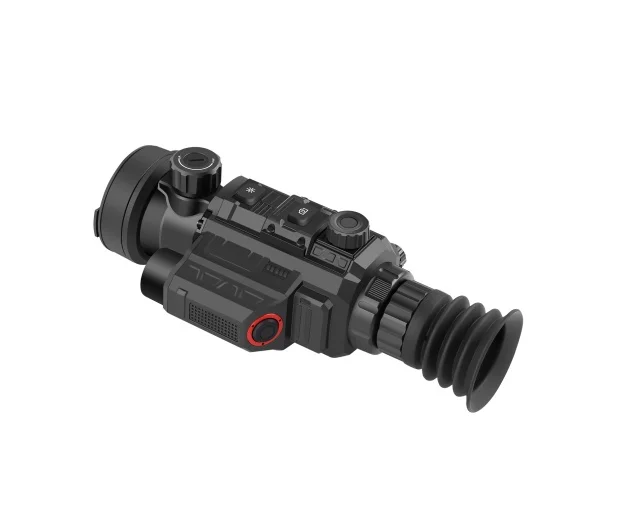
Core Technical Components of a High-End Thermal Scope
Thermal scopes serve as precise instruments. They rely on a detailed mix of optical design, sensor tech, and digital improvements. You might work in thick forests or wide fields. In those cases, picking the best scope comes down to grasping its main tech details. This starts with factors that affect picture sharpness and spotting dependability.
Sensor resolution forms the core of any thermal scope. It controls the clearness and detail level of heat-based pictures. A better resolution gives more pixels to show temperature shifts. That leads to clearer views and steadier target spotting. For example, the ST35LRF has a 384×288 uncooled sensor. It uses a 12μm pixel pitch. This setup provides neat images at a 50Hz refresh rate. Such features fit well for medium-distance tasks.
Yet, if you want top detail for far-off shooting, the DT50LRF comes with a 640×512 high-resolution sensor. The bigger pixel setup lets you spot small features even from long ways off. Plus, both devices gain from a 12μm pixel pitch. This key trait helps create small optics. At the same time, it keeps resolution strong. The tight pitch boosts picture edge by grabbing exact heat changes in tiny spaces.
Sensor Resolution and Image Quality
Thermal Sensitivity (NETD) and Detection Performance
Sensor resolution by itself does not cover everything. Thermal sensitivity matters too. Experts measure it as NETD, or Noise Equivalent Temperature Difference. This shows how finely a scope picks up small heat changes. The DT50LRF has a NETD under 18mK. That ranks it high in its group. It can spot tiny temperature gaps even in tough spots like fog, rain, or thick plants.
This ability makes sure you get true heat shapes. Even when your area looks even in heat, like cool mornings or foggy woods, it works well. The ST35LRF has a NETD below 35mK. That makes it good for everyday tasks. In those, super-sharp contrast is not always needed.
Optical Magnification and Digital Zoom Capabilities
Optical magnification gives basic image growth through the lens. It keeps clearness intact. The ST35LRF provides 3x optical magnification. Its digital zoom goes up to 8x. This setup lets you handle targets at different ranges. You avoid too much blur. Such a mix works great in changing field spots. There, targets can show up close or far.
On the flip side, the DT50LRF begins at 2.6x base magnification. But its stronger sensor means that digital zoom up to 8x shows little loss in quality. It suits exact shooters. They need to spot and hit targets past 2000 meters. Detail stays solid.
Objective Lens Diameter and Field of View (FOV)
The objective lens diameter of a thermal scope affects its heat-gathering power. It also shapes the real spotting distance. The DT50LRF uses a 50mm F1.0 germanium lens. It pairs with an 8.78°×7.03° FOV. This fits perfect for spotting over 2600m. At the same time, it keeps images full of detail.
The ST35LRF, however, uses a 35mm F1.0 lens. Its FOV is 7.53°×5.65°. The view is a bit tighter in distance. But it gives broader awareness in one look. That helps in medium-range work like tactics or hunting. There, quick scans count as much as far reach.
Integrated Functional Technologies That Enhance Performance
Optics and sensors go beyond the basics. What really sets modern thermal scopes apart is smart software and hardware add-ons. These improve real-time work in many situations.
Built-in Laser Rangefinder (LRF) Accuracy and Utility
A built-in laser rangefinder brings key benefits. It gives instant distance info. This helps make better choices for hitting targets. It shines over rough ground or in the dark. The ST35LRF has an electronic rangefinder. It measures distances up to 1800 meters with care. The DT50LRF’s LRF reaches 2600 meters. It responds faster too. That proves vital for far-off exact shooting.
Also, both units use this info in their ballistic tools for instant drop fixes. They include four ballistic options. These are Remark ballistic for low or high speed, ballistic fitting, and full ballistic math.
Image Processing Algorithms and Display Technology
Smart image algorithms play a big role. They boost contrast in weak heat spots. AI-based digital filling cuts down blur during zoom. So, you get clear sights even at full zoom.
Both scopes use a 0.39-inch OLED display. It has 1024×768 resolution. This brings sharp views in modes like Black Hot, White Hot, Red Hot, and Fusion. With 50Hz refresh rates, delay stays low. That matters when following moving items or shifting between threats fast.
Ballistic Calculation and Reticle Options
Built-in ballistic calculators make shot fixes simple. They handle distances and slopes. The system adds real-time angle fixes for up or down shots. This helps a lot in high or low spots.
You can pick from several reticle styles. Choose based on your task, like quick hits or far calibrations. Brightness adjusts to light around you. It stops fading in day or too much shine at night.
Build Quality, Power Management, and Environmental Durability
Your thermal scope needs to work steady in tough spots. It should not weigh you down or complicate use.
Housing Material, Weight, and Mounting Flexibility
Strength pairs with ease in both setups. They use top-grade aerospace materials. Seals meet IP67 standards. So, they handle falls, dirt, and water dips. The ST35LRF shines with its small size of 170×80×51mm. It weighs only 507g. This makes it great for on-the-move work. Yet, it keeps all key features.
Quick-release mounts fit standard Picatinny rails. They let you switch fast between guns or carry modes.
Battery Life, Power Modes, and External Power Compatibility
Battery power counts a lot in long tasks. Both scopes take two 18500 batteries. They last at least 4.5 hours. For still spots or long watches, Type-C ports link to outside packs. This keeps them running non-stop.
Smart power-save options stretch time more. They do not cut key tasks like recording video or tracking hot areas.
Environmental Resistance Ratings (IP Code) and Operating Temperature Range
Both follow IP67 rules. That means full protection from water and dust. Inside parts stay steady in wild temps from -30°C to 55°C. You can use them all year. From cold icy lands to hot sands.
These scopes have proven themselves in many places. Their strong build mixes with steady heat systems for that.
Connectivity, Recording Features, and User Interface Design
Top scopes do more than show views. They join your digital setup through easy links and record tools.
Wi-Fi/Bluetooth Connectivity for App Integration or Remote Control
The ST35LRF has Wi-Fi via the YUBEEN APP. You can send live pictures to phones or tablets. It also gets software updates without wires. This keeps your scope up to date on image fixes or shot math.
Built-in Video Recording & Snapshot Functions
Both have inside storage. The DT50LRF holds 64GB. It saves video bits or quick shots right in action. They start recording on recoil. That catches shots auto when your gun fires. Great for checking hits or keeping records without extra work.
User Interface Design: Menus, Controls, Ergonomics
The screens fit high-stress spots. You can move through menus easy, even with gloves or dim light. Layouts feel natural. Each scope holds several zero setups. Store one per gun type. Handy for users with many setups.
Yubeen Thermal Scopes: Product-Specific Advantages
Now, think about your pick process. Here’s why pros worldwide pick Yubeen Optics Instrument Co., Ltd. This firm leads in heat vision gear since 2021. From Zhejiang Province, China, they blend fresh research with real-world tips. These come from army, police, and hunters globally. Check their full line and help options at Yubeen.
Key Strengths of the Thermal Imaging Rifle Scope – ST35LRF
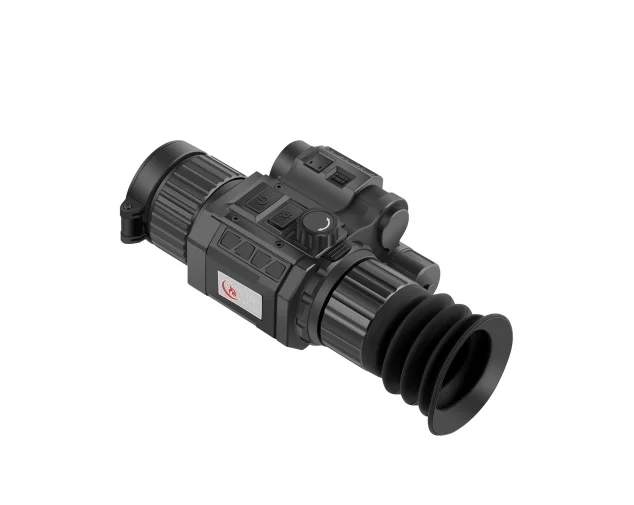
The ST35LRF strikes a fine mix of easy carry and strong work. It fits users who want speed without dropping key tools:
Small build at 507g with spotting up to 1800m
Built-in ballistic math systems
Better sight work in changing light
Key Strengths of the Thermal Imaging Rifle Scope – DT50LRF
For tasks needing far reach without losing clearness or pace:
DT50LRF gives 640×512 heat detail with spotting over 2600m
Four-way ballistic setup with instant fixes
Top fog cut-through and digital boost system
Professional Services and Support from Yubeen
Hardware specs are just the start. Yubeen offers full help from start to end, including:
Skilled advice matched to your work needs
Custom setups if you ask
OEM/ODM options for key partners
Two-year promise on all scopes with full swaps for valid issues
Worldwide net for quick shipping and local tech aid
FAQ
Q: Can I use these thermal scopes in heavy rain or submerged environments?
A: Yes. Both models are IP67-rated for waterproofing and dust resistance, ensuring full operation during adverse weather conditions.
Q: Do these scopes work with external power banks?
A: Absolutely. Both support Type-C external power input for extended missions beyond internal battery limits.
Q: How many reticle profiles can I store?
A: Each device allows storage of five zeroing profiles so you can easily switch between different weapons or calibers without reconfiguring settings.
