


What Are the Key Mounting Standards for a Thermal Scope on Rifles
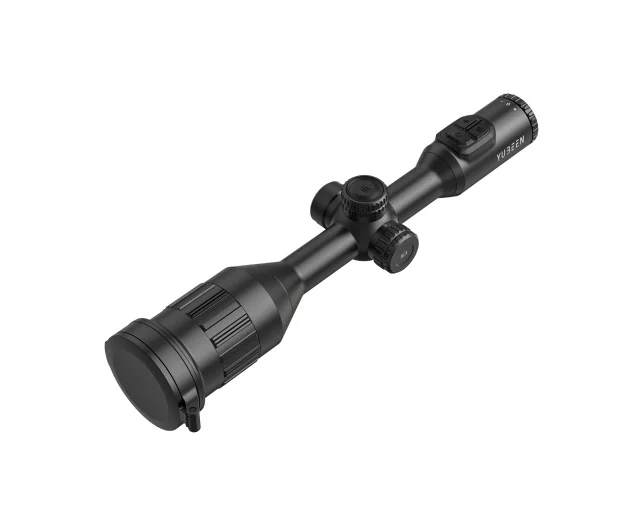
Overview of Mounting Standards for Thermal Scopes on Rifles
Sharp aiming with thermal tools starts with the mounting type you pick. For any skilled shooter, outdoor enthusiast, or field user, a dependable mounting link serves as the base for steady results. Right scope placement not only keeps your shots true but also shields your gear from harm caused by the rifle’s kick.
Importance of Proper Mounting for Thermal Imaging Accuracy
When you set up a thermal scope, the viewing line has to line up straight with the rifle barrel. This makes sure your aiming spot and hitting spot stay in line. You cannot take chances with any offset when going after goals at far distances. This holds true especially for scopes that come with smart bullet path tools and far-spotting features. Wrong mounting can bring in tiny moves that greatly change your shot truth under strong kick situations.
Also, how firm the mount is plays a direct role in holding the zero. Scopes that have parts like kick-started recording—which can handle hits up to 1,000g/0.4ms—are only as trustworthy as the holders keeping them in place. The Y65L thermal imaging system, for instance, includes recoil-activated recording (1000g/0.4ms rating), ensuring comprehensive mission documentation. The mounting setup takes in and passes along kick forces. If it gives out, the sight will drop its zero.
On top of that, user comfort plays a key role. The best eye distance and cheek fit come from the mount’s height and spot. In action settings, where fast goal spotting and surroundings check are vital, a scope in a bad place might weaken your skills.
Factors Influencing Mounting Standard Selection
The kind of rifle you own stands as the main factor. AR-style rifles with level top parts often handle MIL-STD-1913 rails well. On the other hand, bolt-action rifles might call for extra plates or made-to-order bases. You need to include the scope’s size and mass too. Far-shot scopes with wide front lenses need tougher mounting setups for holding up and even weight.
What you plan to do with it shapes the standard even more. Field tasks require fast-release systems for quick changes between setups. In contrast, set hunting rifles gain from steady mounts that give better firmness. You have to think about if the scope has a distance finder or bullet path device too. These add-ons need exact and solid mounting to run at their peak.
Other things come into play as well. For example, the environment you work in can affect choices. Harsh weather or rough terrain might push you toward mounts that seal out dust and water. Budget plays a part here too. Basic rails cost less but might not hold up as long as premium ones. Always weigh these against your needs to pick wisely.
Common Mounting Standards Used in the Industry
Picatinny Rail (MIL-STD-1913) Compatibility
The Picatinny rail keeps its spot as the main mounting type in regular and army guns thanks to its crossing slots that allow safe, do-over fixing. Its strong make gives good push-back resistance and fits lots of sights and extras.
A good number of thermal scopes built for field and hunting jobs come made just for this link. Take the Y65L and ST35LRF thermal riflescopes as examples. Both work with Picatinny rails. The ST35L offers a small build with sharper picture handling tech. This suits AR setups nicely. This standard allows repeated fixing without changes in hit spots. You can take it off and put it back on without issues.
Users like this rail for its wide use. It shows up on many rifles out of the box. That means less hassle when adding scopes. Plus, parts for it are easy to find in stores or online.
Weaver Rail System Considerations
Though they look much like Picatinny rails on the surface, Weaver rails feature slimmer slots and uneven gaps. These traits can spark fitting problems. Most current thermal sights need either add-on pieces or exact holders when placed on Weaver setups. If your rifle runs this standard, double-check mount fit before setup. Doing so stops wrong lining or pull on the scope’s frame.
Some older rifles still use Weaver. If you have one, you might need to upgrade or adapt. Adapters can bridge the gap but add weight and possible weak points. Test everything at the range first to confirm it works.
NATO STANAG 4694 Interface Enhancements
This setup grows from the Picatinny rail. NATO’s STANAG 4694 standard includes stricter build limits for better machine lining and firmness under wild kicks. It does not show up as much as MIL-STD-1913 in shop items. Yet, this link brings small boosts in do-over ease and zero hold. These qualities matter a lot in army outings or sharp shooting events.
For those in pro circles, STANAG offers peace of mind. Its tight specs mean less chance of slip under stress. If you compete or serve, it might be worth the extra cost for that edge.
Mounting Requirements for Yubeen Thermal Imaging Riflescope – Y65L
Structural Design and Mounting Interface of the Y65L
The Y65L gets built for pros who seek far-reach clearness and number-based truth. Its in-built Picatinny-matching mounting base makes sure of a tight fit on field rifles. The hard magnesium alloy cover and 1,000g-rated kick resistance lay a firm ground for zero hold as time goes on.
It runs 453mm in length and 1,000g in mass. Thus, the Y65L calls for a mounting fix that backs its long form without bending or sliding under big kicks. Its firmness turns key when tackling goals past 2,000 meters with smart bullet path math.
The design thinks ahead. It handles rough use without breaking down. That makes it a go-to for serious tasks where reliability counts most.
Optimal Mounting Practices for the Y65L on Tactical Platforms
To pull the best from this setup, go for strong-twist fixed rings or exact quick-detach (QD) mounts ranked for far-shot sights. Make sure to stick to right twist rules from the mount maker’s notes. This avoids strain breaks or off-line scope parts.
Set the eye distance by looking at both the 1.03-inch OLED display and scope length. That keeps watching comfy in fast action. Test mount spots in your work outfit too. This guarantees steady cheek fit and clear view without blocks.
Practice makes perfect here. Dry fire a few times to check feel. Adjust as needed for your build and rifle combo.
Advantages of the Y65L in Mounted Configurations
The Y65L shifts sight quality with its fresh 1.03-inch 2560×2560 OLED microdisplay. It allows true spotting up to 3,100 meters. When set up right, its forward three-part bullet path setup turns into a key win in sharp shooting spots. Its magnesium frame cuts bend in back-to-back shots. It holds hit spots no matter outside strain or grip style.
Beyond that, the display stands out for its brightness in low light. Users report easier target picks even in fog or dusk. The ballistic modes adapt to wind and angle, boosting hit rates on tough shots.
Mounting Compatibility of Yubeen Thermal Imaging Rifle Scope – ST35LRF
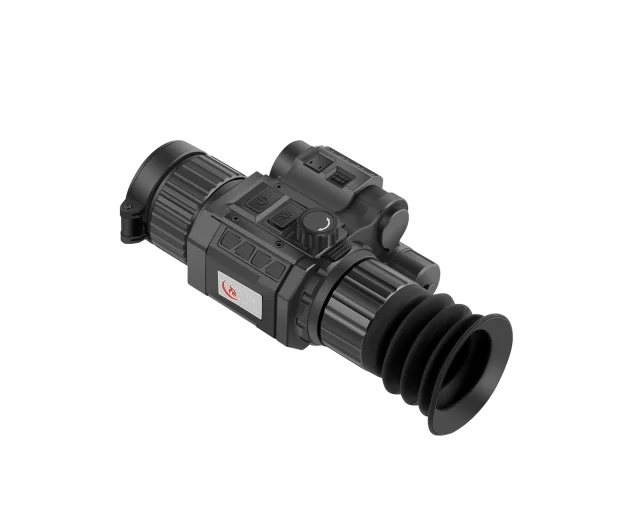
Built-in Laser Rangefinder Integration Considerations
The ST35LRF adds a laser distance finder that teams up with its AI bullet path setup to work out bullet fall on the fly. Turn on AI ballistics and save the set zeroing table (choose ballistic calculation). Click on the distance measurement and the bullet landing point will be automatically displayed. This setup makes firm mounting a must. Any gap between scope crosshair and LRF readout can harm aim truth.
The integration shines in practice. It speeds up shots by giving instant data. But only if everything lines up perfect. Misalignments throw off the whole system.
Scope Dimensions and Rail Fitment Requirements for the ST35LRF
At 170×80×51mm in size and just 507g heavy, this piece gives great match with normal Picatinny rails on AR-style rifles. The small form makes sure it does not stick out or block other items like spare sights or laser guides.
The in-board spin tool gains from safe placement too. Bad tilts might change path fix info.
Its light weight helps balance. You can add it without throwing off your rifle’s feel. That aids quick handling in the field.
Performance Benefits When Properly Mounted on Semi-Automatic Rifles
The ST35LRF’s inner build aims to manage quick-fire runs. Its recoil-activated recording holds up to wild hits up to 1,500g/0.4ms. This fits semi-auto bases like AR-10s or AK types well. A firm mount boosts picture make during motion. It lessens shake-caused blur.
In real use, this means clearer views on the move. For patrols or hunts, that edge can make a difference. The gyro keeps steady even on bumpy ground.
Key Accessories and Best Practices for Mounting Thermal Scopes Securely
Recommended Mount Types: Fixed vs. Quick Detach (QD) Systems
Steady mounts do best in cases where the sight stays fixed to one base. They bring top stiffness and suit big-round rifles with heavy kicks better.
QD mounts let you shift your sight among several guns or pull it off fast if the sight fails. You avoid zero loss if you tune them spot-on at the start.
Choosing between them depends on your routine. If you switch often, QD wins. For one-gun focus, fixed saves weight and cash.
Torque Specifications and Recoil Management Tips
Always follow the twist amounts listed by the mount maker closely. Too hard a twist can smash fine parts inside thermal scopes. Too soft leads to slow scope slide during shooting.
It pays to do regular looks after each practice round. Focus on this for thermal sights with built-in path tools or screens. Any line shift can touch path math outcomes and crosshair places.
Extra tip: Use a torque wrench for accuracy. It takes guesswork out. Also, clean rails before mounting to ensure grip.
Product Support, Customization Services, and Contact Information from Yubeen
As a top name in pro-level thermal sights, Yubeen gives made-to-fit answers based on gun setup and task needs. Whether you roll it out on a bolt-action sharp shooter rig or an AR field gun, their tech group hands out tips on mount styles, twist levels, and even-out plans to lock in top results.
You can grab full backing for setup steps, weather tweaks like temp swings or water entry, and code fine-tunes. Do this through official sellers worldwide or right from their site.
Yubeen stands by their products. Warranties cover defects, and updates keep tech current. Reach out early for custom advice—it saves time and hassle down the line.
FAQ
Q: Can I use a QD mount with my long-range thermal scope without affecting zero?
A: Yes—but only if the QD mount is high-quality and precisely machined for your rail system. Poorly fitted QD mounts can introduce slight shifts after remounting.
Q: Is it necessary to use thread locker on scope mount screws?
A: For fixed mounts on high-recoil rifles, yes—apply non-permanent thread locker to prevent loosening over time while allowing future disassembly.
Q: How do I determine optimal eye relief for thermal scopes with OLED displays?
A: Position the scope so that your natural cheek weld aligns your eye centrally within the display frame while maintaining full field of view without shadowing.
