


What Are the 5 Essential Factors for Picking the Ideal Thermal Scope?
Introduction
Picture yourself moving quietly through thick woods as the sun sets. Your pulse stays calm while you follow that hard-to-find buck right past the edge of the trees. The evening chill sets in. Darkness grows thick. Your eyes catch almost nothing without help. Yet, with a solid thermal scope on your rifle, warm shapes light up bright. They act like signals in the night. This turns doubt into exact aim. You notice the deer’s shape. You judge the distance. And you take the shot. It lands clean, fair, and exciting. Times like this show why you spend on tools that work when you need them bad.
If you want to lift your hunting game or hone your field skills, you should check out gear from a top name in thermal tech. Yubeen leads the pack for folks like hunters and experts who expect steady work without shortcuts. Started by tech whizzes who love mixing new ideas with everyday use, this outfit makes scopes that mix strong sensors, tough frames, and easy smarts. Their gear runs from small add-ons to packed riflescopes. It fuels jobs from late-night walks to far-off watches. What makes them different? They put users first in design. The scopes fit how you work, not force you to change. Head over to Yubeen to see their stuff. You’ll spot items made to hold up and deliver in tough spots.
Now, as you think about your next buy, hold this close: a great thermal scope does more than spot heat. It shows chances you might miss. You need clear views that pull out small bits from afar. Reach that stretches your limits. Power that lasts through the dark. Strength that ignores bad weather. And tools that smooth every trip. These five key parts will steer you to a scope that suits you just right. We’ll dig into them one by one. We’ll pull from real winners to show how they fit real life. By the close, you’ll grasp what to chase for your rig.
Factor 1: Resolution and Image Clarity
You count on your scope to draw a clear image. It should show a deer’s side from a moving limb at 300 yards out. Resolution counts big here. It sets how many details you grab from warm signs. Weak units smudge lines. That makes you guess, and those guesses might ruin a chance or risk harm. Go for sensors that give at least 640×512 pixels for basic jobs. But aim higher, like 1280×1024, if you cover rough ground or spot targets quick.
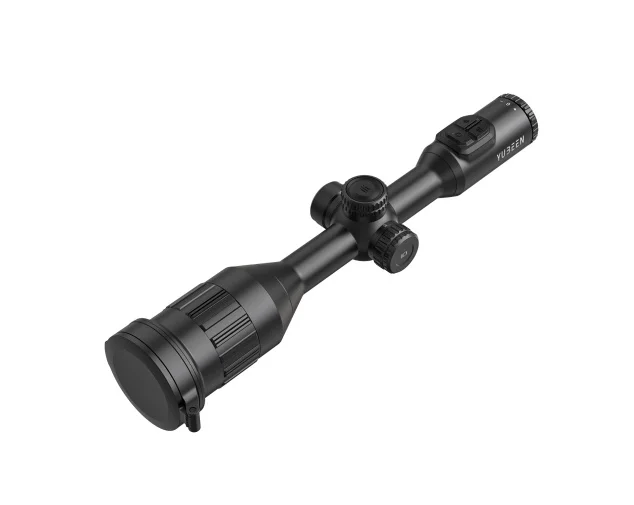
Look at the Y65L. This thermal imaging riflescope hits the mark with its 1280 infrared setup. You snag sharp pictures that slice past mist or leaves. So, you pick up key signs like breath rises or tiny shifts. In the field, this cuts down wrong calls on dark sweeps. That’s huge when your blood pumps fast. Add in tweakable contrast settings, and you adjust the sight to fit the spot. It works for wide meadows or heavy bushes alike.
So, why does this part link to your full pick? Good resolution grows trust in each call. From picking marks to lining up shots. It leads smooth into how far you stretch your kit without weak spots. And that sets up the next bit: solid range.
Factor 2: Detection and Identification Range
With clear sight set, you shift to range. That’s how far your scope picks out and locks on a mark before you pull. Spot range handles first looks, often to 2000 meters on strong units. ID range tightens it for real action, maybe 1000 meters or closer. You hate gear that hints at far-off warm spots but gives no real info. That’s a drag and wastes time.
Units like the Y65L stand out. They pack a 1000m inbuilt rangefinder that pins yards spot-on. You hit a button fast, and it sends numbers right to your crosshair. No wild shots. This grows your hunt area. It turns evening rounds into full wins. For big stretches, its heat heart keeps steady views. So, you follow warm paths over wide lands with no fade.
This reach skill ties right back to resolution. It makes sure what you see works at length. It also calls for steady juice to run the whole show on long runs. That pulls us to battery life. It’s your third big need.
Factor 3: Battery Life and Power Efficiency
You set off for a bright full-moon chase that runs all night. Then, halfway through the best part, your scope dims low. Who wants that headache? Battery staying power keeps you going strong. So, chase at least 6-8 hours per load. Add easy-swap packs for no breaks. Smart tricks like auto-off or low-drain settings push those times more. They help big in wait modes.
The Y65L gives up to 8 hours from one pack. Its fast-change build lets you swap in moments, even hidden. You flip to save modes for slow looks. That holds power for quick zoom hits. Field hands cheer its even run. No surprise drops that stop your flow mid-step.
Good power stops halts. But it falls flat if your stuff can’t take the hard knocks. So, toughness comes next. It makes sure your spend rides out the wild easy.
Factor 4: Durability and Environmental Resistance
Out in the open tests it all. Big kicks from heavy rounds. Fast rains. Or slips onto sharp rocks. You want a scope that brushes off the hits. IP67 seals keep water out. Nitrogen-filled glass stops steam-up. Metal shells and shock scores show it eats bangs from shot after shot. Or jolts from rough rides.
Think about the Y65L’s IP67 coat and bump-proof body. It’s shaped for wild ends, from cold deep freezes to wet bogs. You bolt it down once. It holds aim through months of rough play. That cuts fixes that yank you from the fun.
Tough build locks your base kit. But to win big, you want add-ons that ease the work. That lands us on smart tools. It’s the last part. One that shifts a fair scope to your go-to edge.
Factor 5: Advanced Features and User Interface
You don’t want to fight buttons when time ticks down. Hunt for simple keys, set-your-way shortcuts. And bonuses like Wi-Fi to share clips. Or shot apps for gust tweaks. Split-screen views let you blow up parts without dropping the full map. Great for looks while you tail.
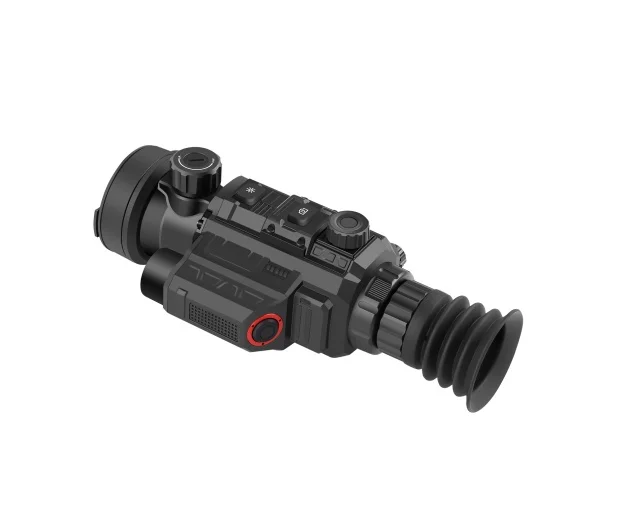
Step in with the DT50L. This handy thermal monocular pairs well with riflescopes. It brings phone-tied screens and wise setups. You pipe live shots to your cell for team hunts. Or save notes for after checks. Shot math tools plug in height and heat quick. And grip-friendly buttons feel right, even with thick gloves.
These extra perks boost every part before. They make a smooth run from find to fire. And they hit your true worries: simple use in mess, flex for different spots, and gear that grows as you do. To wrap it up, these five steps give you the path. Chase clear sight with resolution. Stretch far with range. Stay locked with batteries. Push hard with strength. And flow easy with smart bits. Match them to your trips. Solo wild runs or group plays? You’ll grab a scope that lifts your game, not drags it. Picks like the Y65L or DT50L show this mix. They hand pro wins that keep you out front.
Set to change your next go? Flip through prime thermal picks. Find the one that snaps in place. For custom fits, our help crew gives sharp tips. From special bolts to fix-ups. Shoot an email. Or set a short talk on the site. Your lead kicks off with that first move.
FAQ
Q: How do I know if a thermal scope’s resolution suits my hunting style?
A: Match it to your usual shots. If you hit under 200 yards, 640×512 does okay. For farther pulls, pick 1280×1024 to nab small stuff like horn points.
Q: Can I use the same thermal scope for both hunting and tactical training?
A: Yes, for sure. Ones with distance lasers and strong shells handle all kicks and skies. They keep aim steady over different guns.
Q: What if my battery dies mid-hunt—any quick fixes?
A: Pack extras and grab scopes with easy-swap slots. Most top off via USB in a few hours. So, you’re rolling again soon.
