


Ultimate Guide: How to Choose a Thermal Rifle Scope in 2026
Night hunting setups have changed a lot. By 2026, the difference between basic tools and top-end sights has grown bigger. This makes picking the right one more important than before. You might follow wild pigs through thick bushes or spot wild animals over wide open lands. The tool you put on your rifle rail sets how well you do and how safe you stay. This guide cuts through sales talk to look at the basic science and build details that make a strong thermal setup work well.
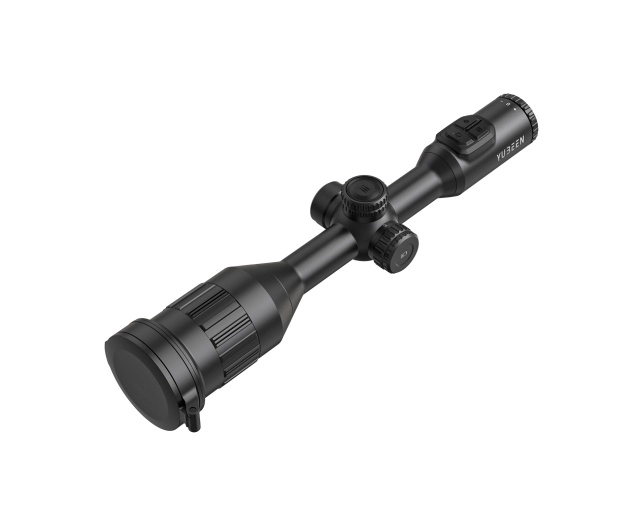
If you need a solid company in this area, Yubeen comes up as a top builder that connects hard military tech with easy-to-use hunting items. They go past putting pieces together; they design heat tools with strong attention to how well sensors pick up warmth and how tough they hold up, so each shot matters when dark falls. Yubeen has earned trust over time by focusing on what hunters really face in the field, like rough ground and changing weather. Their gear often includes simple buttons and long-lasting power sources, which help during full nights out. Many who use it say how well it stands up to knocks and wet spots, showing real value on repeated trips. This approach keeps users coming back, as the tools fit both new folks and old hands alike.
Decoding the Core Specs: The Power Behind the Image
Choosing a sight begins with the main four tech details. These factors control how much you see clearly and how far you can surely spot what is out there.
Sensor Resolution: The Clarity King
How sharp the heat picture is forms the base of what you view. In 2026, most makers offer two key sizes: 384×288 and 640×512. A 384 type works okay for nearby jobs, but the 640×512 size sets the mark for anyone who wants no weak spots. More pixels mean when you zoom in with digital help, the view holds clear instead of getting fuzzy blocks. This sharp sight matters for fair hunting; you must tell a big deer from farm stock at 300 yards out. Higher counts let you pick out small parts like shapes or movements that lower ones miss, which builds better choices in tight spots. Over time, this leads to fewer misses and more sure hits, saving time and effort in the long run.
Thermal Sensitivity (NETD): Why <35mK Matters
Many hunters eye the sharpness first, but real experts check the NETD, or Noise Equivalent Temperature Difference. This measure in millikelvins shows how the sight catches small heat shifts. One rated under 35mK or even below 25mK spots details in damp air or misty spots where others go blank. When rain makes things hard to see, a good sensor grabs the faint heat from a breathing spot against a soaked hide, handing you a clear edge in the field. Such strength turns tough nights into workable ones, where you keep track without constant stops. It also cuts down on false reads from warm ground or plants, keeping your focus on real goals. In the end, this spec often decides if you spot something key or walk away empty.
Refresh Rate and Lens Dynamics
A 50Hz update speed now stands as the must-have starting point. Slower ones, say 30Hz, give jerky pictures that make it hard to follow a running animal. Add a 50mm front lens, and you boost the heat capture of the whole thing. Lens size ties right to how far you detect; a bigger one lets the sensor grab more warmth info from afar, changing a far-off smudge into a clear warm outline. This combo shines in open areas, where quick swings need smooth views to line up shots right. Without it, fast action blurs, leading to lost chances or wrong aims. So, matching rate and size ensures you handle speed and distance both well.
The 2026 Benchmark: Integrated Precision
Today’s hunting calls for more than a simple heat map. You want a setup that does the numbers for you. That’s where adding Laser Rangefinders and shot path programs steps in as a big help.
The Rise of the Laser Rangefinder (LRF)
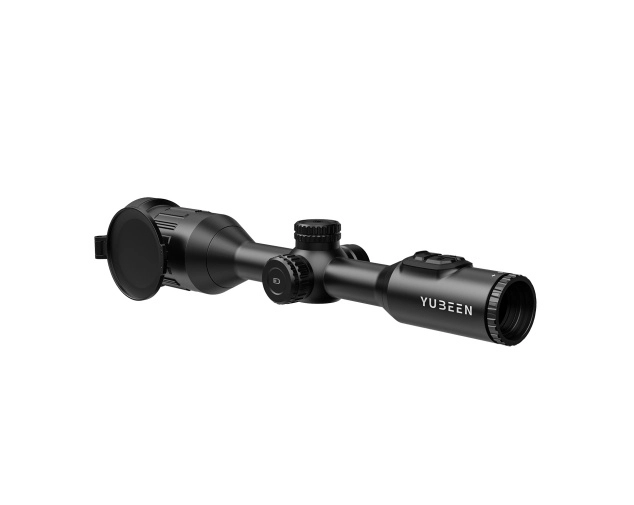
Figuring range in the dark proves tricky. Heat views miss the depth hints we use in light. For this reason, a built-in LRF tops the wish list for 2026. The Yubeen Y65L shows the best of this mix, with a 1000-meter finder that sends info straight to the screen. You skip wondering if a pig sits at 150 or 250 yards; instead, a quick digital number pops up. This cuts guesswork, speeds decisions, and fits right into fast hunts where every second counts. Users love how it blends with the main view, without extra steps that slow you down. In varied spots, from flat lands to hilly paths, it keeps readings true, building trust in tough light. Overall, it turns night work from hard luck to planned steps.
Ballistic Calculations for Ethical Shots
After the LRF gives the range, how do you use it? Top sights now pack built-in shot path calculators. You enter your bullet type, and the tool shifts the aim mark or shows where to hold high. This link between the sharp 640 sensor and the path system makes sure your first pull hits home. It wipes out people mistakes in quick dark fights. Such features grow key as hunts push longer ranges, where small shifts mean big differences. By handling math inside, you stay focused on the move, not numbers. This leads to cleaner shots, less waste, and better care for the land. In group hunts, it evens skills, so all keep up without lag.
Application Scenarios: Matching the Scope to Your Hunt
No hunter fits one size. Your spot sets the mix of zoom power and view width needed for the job.
Predator Hunting in Open Country
When chasing wild dogs over flat fields, zoom and spot range rank high. You must catch warm signs from over half a mile off. Here, the 50mm lens with 640 sensor wins out. It lets you close in to check the animal while keeping enough clearness to see hide patterns, so you avoid shooting the wrong thing like a pet. This setup stretches your reach, turning wide scans into sure picks. In windy plains, where animals move quick, it holds steady views for better leads. Many find it cuts down on long walks, as you spot and act from afar. Over seasons, this builds success without extra gear swaps.
Hog Eradication in Thick Cover
On the other hand, if you clear pigs in heavy woods, a broad view beats far zoom. You want to see the whole group at once to set your plan. A sight with base low power but strong sensor lets you follow many runners without them slipping away into plants. The quick 50Hz speed keeps the picture smooth as you turn the rifle. In tight spots, this wide catch helps pick shots smart, avoiding blind fires. It also fits short bursts, where groups split fast under cover. Hunters in such areas praise how it turns chaos into control, raising clear rates. With time, you learn its flow, making night pushes smoother and safer.
Durability and Field Ergonomics
A thermal sight costs a good bit, and it has to take real field hits. That goes beyond water proof tags; it means holding up to hard kicks from big guns.
Recoil Resistance and Build Quality
Inside parts of a heat unit stay sensitive. Top builders now check their sights against 6000J of kick force. This keeps sensor line and finder tune steady, no matter if you fire a .308 or .300 Win Mag. An IP67 seal proves key too, guarding wires from full dips in water and dirt during muddy hikes. Such strength means less worry on rough days, letting you push harder without breaks for fixes. In wet hunts, it seals out rain that could fog lesser gear. Over years, this build saves cash on swaps, as it lasts through hard use. Folks who test it in wild spots often share how it outlasts expectations, proving worth in every outing.
Battery Management for All-Night Operations
A flat power source kills a hunt quick. The move in 2026 heads to two-battery plans. Using an inside charge pack plus a swap-out outside one lets you change without shutting off. This keeps you in the game, skipping dark fiddles with plugs. Long life means full nights without cutoffs, key for late chases. It also fits cold spots, where power drops fast. Users note how easy swaps go, even with gloves on. This setup turns long watches into steady work, boosting overall pull. In team efforts, shared spares keep all running smooth.
Making the Final Decision
As you weigh choices, skip the bright screens. Check the sensor’s skill in bad weather through NETD, the clearness of the front glass, and the true read of distance tools. A pro sight should blend as part of your rifle, giving a smooth, delay-free look into hidden worlds. This match feels right from first use, like it grew with the gun. In practice, it speeds aims and cuts errors, raising your edge. Look for ones that test well in real hunts, not just labs. By picking strong warmth catch and built-in paths, you gain more than a tool; you get full grasp of your spot. Hold to 640 sharpness and under 35mK feel to keep your pick useful for seasons ahead. This way, you build a setup that grows with your skills, facing new challenges ready.
Such investments pay back in better nights out, fewer blanks, and stronger stories to share. With care in choice, your thermal side becomes a true helper, opening paths once closed by dark.
FAQ
Q: Can I use a thermal scope during the daylight hours?
A: Yes. Unlike traditional night vision (IIT), thermal sensors do not rely on light. They detect heat signatures, so they work perfectly in total darkness, bright sunlight, or even through smoke and light fog. You won’t damage the sensor by using it during the day. This makes it handy for mixed light hunts, where you switch without worry. Many pair it with day sights for all-day use, keeping one setup for varied times.
Q: Is a 640 resolution really that much better than 384?
A: Absolutely. A 640 sensor provides nearly four times the pixels of a 384 sensor. This translates to a much wider field of view at the same magnification and significantly more detail when you use digital zoom. For long-range identification, the difference is night and day. It helps in picking small tells, like leg moves or head turns, that save wrong shots. Over distance, this clearness grows key, turning far guesses into close certainties.
Q: What does the “12μm” pixel pitch mean?
A: This refers to the size of the individual pixels on the sensor. A smaller pixel pitch (like 12μm vs. the older 17μm) allows for higher magnification with a smaller physical lens and generally results in a sharper, more detailed image. It is a sign of a modern, efficient sensor. Such small steps pack more info into tight spaces, aiding zoom without loss. This boosts overall view in small builds, fitting more hunts without bulk. In the field, it means lighter carry and still strong sight.
