


Thermal Scope vs. Clip-On Attachment: Which Setup Fits Your Rifle?
Picking between a full thermal scope and a clip-on add-on stands as one of the biggest choices you face for your night hunting setup. Plenty of shooters hold onto fine daytime sights, clear lenses that cost a lot and needed time to set just right. The problem comes at nightfall, when you wonder if you should remove that trusted sight from your rail to fit a full thermal device, or instead figure out how to adjust what you own already.
Before jumping into the details of pros and cons, it’s good to learn about the top player in this field. Yubeen serves as a leading maker focused on strong infrared tools. They go beyond making sights; they create real edges for field use. Their lineup includes built-in laser distance finders and sharp sensors that pierce through mist and pitch black, all designed for folks who need tough builds and clear heat views much like top photo gear. No matter if you hunt alone or handle a group of field tools, their fresh ideas make sure your goal stays in sight no matter where it goes. This company has built a name through years of work in tough spots, always pushing to improve how users spot and track in low light. Their products often come with extras like easy controls and long battery life, which help in long outings without worry. Many users praise the way these tools hold up under rough handling, from bumpy rides to wet weather, proving their worth time after time.
Dedicated Thermal Scopes: The Purpose-Built Powerhouses
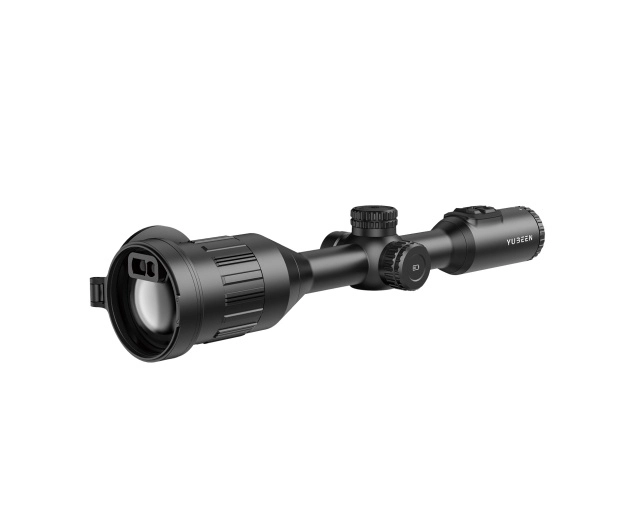
A full thermal rifle scope acts as a total swap for your usual sight. When you pick this path, you set your rifle for one main job, which is strong work in dim light or no light at all. Since these pieces come as one solid unit, they bring a tight link inside that extra parts just can’t reach.
Maximum Precision and Zero Stability
The main plus of a single unit lies in the solid build of its hold. With the tool placed right on your Picatinny rail, you face fewer weak spots. You skip concerns about if a connector holds firm or if an add-on moves a bit on a bumpy path through thick plants. When you fire, the link between the sensor, the built-in aim mark, and your barrel stays steady every time.
For people who value shots at far distances, the Thermal Imaging Rifle Scope – ST35LRFchanges the game. This model fits a pro-level laser distance finder right into its body. In thermal hunting, guessing range proves hard since the view shows heat in a flat digital form, not a real 3D sight. With its own distance tool, you see the range right on the display, so you can aim true for shots at 300 yards without any guesswork. This feature saves time in the field and boosts hit rates, especially when quick decisions matter. Users often note how this setup feels natural after a short learning curve, blending seamlessly with standard shooting habits. The scope’s design also includes weather-proof seals, keeping it reliable even in rain or dust, which adds to its appeal for outdoor pros.
Optimized Sensors and Integrated Features
Full scopes usually pack stronger computing since the case handles warmth and power use for the whole setup. You find options like quick zero in one shot, various aim patterns, and smart path calculators that shift as you go.
If you seek the best in clear views, the Thermal Imaging Riflescope – Y65L leads the way. It uses a fine-detail sensor to give a sharp heat picture, helping you tell a wild animal from a pet far off. The update speed flows well, so even with a fast-moving goal, the sight stays smooth without blur or trails, letting you place your shot right. This model’s lens quality stands out, offering wide views that cover more ground without losing detail. Battery life extends through long nights, and the controls feel intuitive, making it a favorite among experienced hunters who value ease during tense moments. Overall, it turns challenging night hunts into more predictable tasks, building confidence in every outing.
Thermal Clip-On Attachments: Versatility Without Re-Zeroing
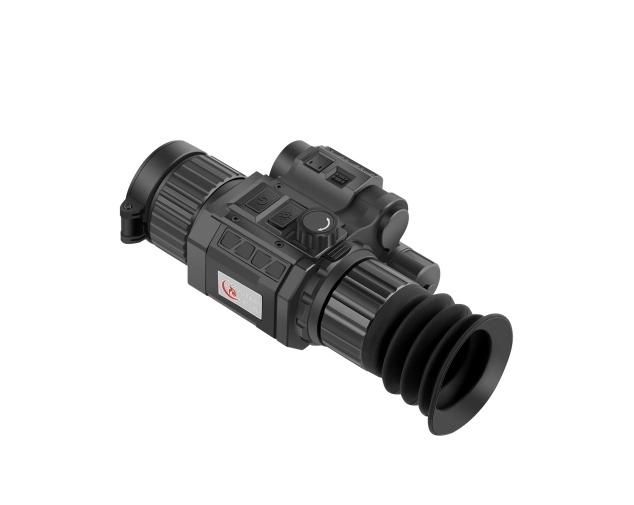
While full scopes give top results, the thermal clip-on suits the shooter who wants options. A clip-on piece fits to the front of your current daytime scope’s front lens or on the rail ahead of it. It basically turns your daytime sight into a thermal one by sending a heat image into the daytime scope’s view area.
The Logic of “No Re-Zeroing”
The top reason to pick a clip-on is the ease of leaving your daytime scope in place. If you own a top Zeiss or Nightforce sight set at 200 yards, a clip-on lets you keep that setting. You avoid using costly bullets at the range each time you switch from day hunts to night ones. You just attach the piece as light drops and remove it when day returns.
This arrangement also keeps your shooting feel the same. You stick with the usual cheek rest, eye distance, and adjustment knobs you know well. For lots of hunters, sticking to their main rifle feel beats the small gain in built-in parts from single units. This setup shines in mixed-use scenarios, where you might shift between targets or game types often. It reduces setup time, letting you focus more on the hunt itself rather than gear tweaks. Many find this approach practical for weekend warriors who balance day jobs with evening pursuits.
Modular Mobility Across Multiple Rifles
A clip-on works like a movable thermal sight. Since it lacks its own fixed aim mark tied to one barrel, you can shift it among rifles in your collection. You might use it on your .223 small-game gun one evening and switch to your .308 big-game setup the next. This switchable nature makes the best thermal clip-on a smart buy for hobbyists with several rifles but just one budget for a quality thermal part. The portability means less storage hassle and more use across tools, stretching your investment further. In group settings, like training teams, this feature allows sharing one unit among members, cutting overall costs while maintaining performance.
Head-to-Head Comparison: Which Setup Fits Your Rifle?
To aid your pick, let’s check how these systems work out in real spots. Your decision hinges on if you see thermal hunting as a main focus or an added skill.
| Feature | Dedicated Thermal Scope | Thermal Clip-On |
|---|---|---|
| Setup Complexity | High (Requires full installation) | Low (Quick-detach mounting) |
| Weight Distribution | Centered and balanced | Front-heavy (Affects balance) |
| Magnification | Digital (Can pixelate at high zoom) | Optical (Uses your day scope’s zoom) |
| Zero Retention | Absolute (Fixed to rail) | Dependent on adapter alignment |
| Versatility | Locked to one rifle | Swappable across many platforms |
Best for Dedicated Night Hunters
If your rifle serves only night work, choose a full scope. The feel stays even, the parts link better, and you skip the added length from two sights piled up. The built-in distance finder in items like the ST35LRF gives field info that a clip-on often misses in one smooth setup. This choice fits those who spend most time in dark conditions, where every detail counts for success. It also suits pros who need gear that handles heavy use without frequent changes, ensuring reliability on long trips.
Best for Multi-Purpose Shooters
If your rifle handles daytime targets or big game hunts and just sometimes night predator work, the clip-on proves ideal. It lets you use the costly sight you bought already while adding thermal sight power when needed. This way, you save on extra zeros and keep things simple across uses. It’s great for folks with varied interests, from range days to field nights, without overhauling the whole setup each time.
Technical Factors to Consider Before Buying
Before you buy, look beyond ads and check the real parts.
Sensor Resolution: A 640×512 sensor beats a 384×288 one for spotting details, like telling shapes apart in heat views. This matters for safe and sure identification in the field.
Refresh Rate: Aim for 50Hz or more, as lower speeds make moving sights hard to follow smoothly.
Weight and Balance: A clip-on puts extra load up front, which can slow handling if you shoot from the hip often. A full scope spreads weight better over the main part, feeling more steady.
Beyond these basics, think about battery types, as some last longer in cold weather, and lens coatings that cut glare in varied light. Also, check warranty lengths, since good ones cover drops or water issues. Testing in person helps, but reviews from real users give honest views on daily use. Matching these to your hunt style avoids regrets later.
Final Thoughts: Elevate Your Tactical Advantage
No matter if you pick the focused aim of a single unit or the switchable ease of a clip-on, the aim stays seeing beyond normal eyes. Today’s thermal tools hit levels where even basic pro gear spots far and clear.
By choosing what fits your rifle’s main jobs, you cut out doubts and hassle from wrong picks. For a setup that stays put on one gun, a full scope tops the list. For a tool that works with what you have, the clip-on leads. Both paths open new ways to hunt smart, turning night into a strong suit with the right match.
Professional Service and Expert Contact
We know buying thermal sights means a big step, so we give full tech help and custom talks to match the right tool to your gun and spot.
Along with our regular shop items, we supply strong OEM and ODM work for groups and sellers needing made-to-fit thermal fixes. From special aim software to tuned sensor setups, we adjust our builds to your work needs. This includes fast prototypes, quality checks, and shipping plans that fit global rules.
Do you have questions about mounting or sensor compatibility? Our group stands ready to help with specs and group prices. Contact us through our page to chat with a thermal pro now. We cover everything from first questions to full orders, ensuring smooth paths to better gear.
FAQ
Q: Can I use a thermal clip-on with a high-magnification day scope?
A: Yes, but limits apply. Most thermal clip-ons work best with 1x to 6x on your daytime scope. Pushing to 20x just enlarges the thermal pixels inside, leading to fuzzy sights.
Q: Do I need to re-zero my rifle when I take a dedicated thermal scope off and put it back on?
A: Usually, yes. Even top return mounts call for a few test shots after swap to check if aim holds true.
Q: Is a dedicated thermal scope better for the rain and heavy fog?
A: Both types use the same heat tech to cut through fog. Yet full units often seal tighter with less join points, holding up a bit stronger in hard rain.
