


The Ultimate Guide to Thermal Imaging Rifle Scopes: FFP vs. SFP vs. Digital Reticles
What Is a Thermal Imaging Rifle Scope?
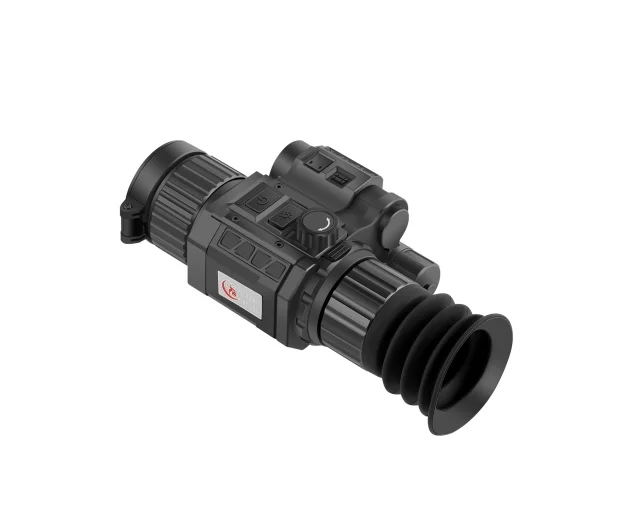
Thermal imaging rifle scopes serve as sophisticated optical devices that help users detect heat patterns instead of depending on regular visible light. These tools pick up infrared rays given off by various items and turn them into a clear picture. In comparison to standard night vision gear, which boosts existing light, thermal imaging works fine without any light at all. So, even in complete darkness, heavy fog, or thick smoke, you can easily spot your target with sharp detail.
This kind of technology proves very handy for activities like hunting, military tasks, and search efforts where poor visibility creates challenges. The skill to notice small changes in temperature gives a real advantage in finding hidden or well-camouflaged items. We focus on delivering top-notch visual tools for areas such as the military, police work, hunting, and more, all through cutting-edge thermal imaging methods. This helps people achieve precise target spotting and smooth performance during night time or in dim light situations.
Key Components of a Thermal Scope
The main part of any thermal scope is the thermal sensor, which grabs infrared radiation and handles it with special imaging programs. When combined with a strong lens—typically crafted from germanium—it provides clear views over great distances. The screen, often an OLED type with details like 1024×768 resolution, changes this information into a picture that’s easy to understand.
One vital feature is the reticle setup. You might see choices from etched glass versions to complete digital layers. The refresh speed, usually 50Hz in the best scopes, makes sure motion follows smoothly and cuts down on any delay in quick actions. The device includes a 0.39-inch OLED display (1024×768 resolution) along with several imaging options (Black Hot, White Hot, Red Hot, Fusion) and useful tools such as PIP (Picture-in-Picture), DPC (Digital Detail Enhancement), and automatic hotspot tracking to better identify targets.
First Focal Plane (FFP) Reticles Explained
FFP reticles adjust their size as you change the zoom level. As a result, the reticle keeps its proper scale with the target no matter the power setting. This works well for figuring out bullet paths at different distances since the measurements stay true.
For those who enjoy shooting over long ranges or handle changing situations where targets show up at various distances, an FFP design keeps things accurate without extra math for your aim points.
Second Focal Plane (SFP) Reticles Overview
On the other hand, SFP reticles stay the same size no matter how much you zoom. While this can lower accuracy at bigger zoom levels, it fits perfectly for closer to medium shots where keeping it simple matters most. The steady view through the sight helps regular shooters get used to it without a big adjustment period.
Digital Reticles: The Modern Approach
Digital reticles provide the greatest range of options. Users can adjust the design, shade, and even add bullet path data right into the scope’s built-in software. Plenty of versions come with built-in distance measurers and bullet calculators, which allow on-the-spot changes as you line up your shot.
The ST35LRF model offers six adjustable reticles with five color choices, all reachable through a simple control panel. It includes tilt angle and side lean adjustments to fix your shooting position. AI ballistics plus bullet path math make operations more intelligent. This setup adapts well to different gun types and shooting conditions.
Accuracy and Precision Across Reticle Types
Different reticle styles affect how accurate and precise the scope performs in unique ways. FFP stands out when you often switch magnification and need reliable bullet drop points. SFP feels simpler for everyday users but loses some exactness at farther shots unless you set it up just right.
Digital options combine the strengths of both styles effectively. They give instant input, bullet fixes based on weather details, and personal overlays matched to your gun setup. For groups in tactical roles or shooters in contests who want quick changes without losing exactness, digital systems offer outstanding reliability.
User Experience and Learning Curve Differences
FFP reticles call for getting comfortable with how the scope acts at different zoom points. SFP models come across as direct but might lead to wrong shot spots at higher zooms if not handled carefully.
Digital systems feel natural if you know your way around tech screens. They frequently link with phone apps and have internal storage, letting you check videos and options after use. The Y65L does great in this area, pairing a 1.03-inch OLED screen with app-based Wi-Fi sharing for video checks and adjustments. The device’s power to pick up tiny temperature shifts marks a big step ahead, leading to brighter pictures and the sharpest details.

Thermal Imaging Rifle Scope – ST35LRF Features & Benefits
Advanced Sensing Capabilities for Tactical Precision
The ST35LRF features a highly responsive sensor with <35mK NETD and a remarkable 1800-meter spotting distance. It uses a germanium lens paired with an electronic distance finder for spot-on range readings. Featuring a 35mm F1.0 lens and 3x power, it handles close-to-medium range tasks with good balance.
Versatile Digital Reticle System with Multiple Profiles
Users gain from various digital reticles tuned for different gun calibers. With six reticle designs and five color picks for tailoring, it suits many needs. Instant zeroing tweaks happen through an easy-to-use panel—a key plus when moving between guns or bullet types.
Durable Construction for Harsh Environments
Rated IP67 against water and dust, this scope performs well in tough weather from -30°C to 55°C. Tech progress simplifies hard tasks, yet costs can rise. Still, YUBEEN-ST35L gives users a brighter control system at a fair price, making hunts sharper and more clever.
Thermal Imaging Riflescope – Y65L Highlights
Large Objective Lens for Extended Detection Range
Thanks to its 65mm germanium lens and super-sensitive sensor (<18mK NETD), the Y65L brings thermal sharpness out to 3100 meters. The 60mm big lens offers a broader view area and an extra-long 3100-meter spotting range. This suits long scouting trips or far-off hunts perfectly.
Enhanced Image Processing with AI Algorithms
With Super Image 2.0 AI boost methods, pictures stay clear in tricky spots like dense plants or city areas.
Hybrid Control System with Ergonomic Design
It comes with two-way controls (buttons and a wheel), Wi-Fi video sharing, internal recording, and auto-capture on recoil— all made for tough field use and ease.
Choosing the Right Scope Based on Your Needs
Hunting Applications
For hunting, pick a light scope with long-lasting power and good spotting reach. Units like the ST35LRF supply these plus live bullet math that ensures each shot hits true—even on rough ground.
Tactical or Law Enforcement Use
For tactical or police jobs, focus on exactness and fitting many settings. Built-in distance tools, digital reticles, angle fix features—these cut down on mistakes when results matter most.
Recreational or Competitive Shooting
In fun or contest shooting, personalization rules. Seek scopes with many reticle setups, video review tools, and even refresh rates like 50Hz to follow quick targets without issue.
Why Choose Yubeen Thermal Scopes?
If you want dependable gear supported by solid science, Yubeen shines with its proven optics created by pros in lenses, circuits, and picture handling. Yubeen Optical Instrument Co., Ltd. started in 2021 and bases itself in Yiwu, Zhejiang Province, China. It runs a fresh research spot and making site. No matter if you work in law enforcement or love outdoor chases at evening, Yubeen’s forward thermal tools fit your wants—giving keener picture work, wiser bullet styles, and strong build quality.
Their dedication goes past new ideas—each item faces strict quality checks and comes with firm promise coverage. It gains favor from users both local and worldwide. Yubeen keeps pushing to make thermal scopes that not only meet basic needs but also exceed expectations in real-world use, ensuring that every user, from beginners to experts, feels confident in their choice. The blend of affordable pricing with high-end features sets Yubeen apart in a crowded market, where reliability often comes at a premium.
Service & Support from Yubeen
Comprehensive Customer Support Structure
You can count on skilled advice before buying to pick the right model for your purpose. After buying, help covers software updates, problem fixing, and training sessions if required. Yubeen’s support team works around the clock to address concerns, drawing from years of experience in the optics field to provide tailored solutions that keep your equipment running smoothly over time.
How to Get in Touch
For questions or gear help:
Fill out the official website contact form
They run a worldwide seller network too, making sure you get products and aid close to home. This setup means faster delivery and local experts who understand regional hunting laws or tactical needs, adding an extra layer of convenience for international buyers.
FAQ
Q: Can I use thermal imaging scopes during the day?
A: Yes. Since they sense heat patterns instead of light, thermal scopes function well in daylight or nighttime alike.
Q: Are digital reticles better than traditional ones?
A: Digital reticles bring more options via personalization and links to bullet tools, though they might need time to learn the software side.
Q: How far can I detect targets using these scopes?
A: It varies by model—for instance, the ST35LRF reaches up to 1800m, while the Y65L goes to 3100m—so you get strong spotting over huge distances with fine detail. These ranges come from careful testing in diverse conditions, ensuring practical performance that matches the specs on paper.
