


The Ultimate Guide to Long-Range Hunting: Choosing the Right Optical Scope
Long-range hunting serves as a skill that pushes the edges of your gear and your ability as a shooter. Reaching your shot distance past 400 yards calls for more than a solid gun and firm grip; it needs a special lens setup built to deal with the special problems of far shots. The gap between a fair take and a lost chance usually boils down to the lens placed above your gun’s body.
When you test the full reach of your gun, the lens you pick creates the split between sharp sight and mixed-up views. For folks who take accuracy seriously, spotting a maker that mixes fresh lens tech with strong build quality holds the main point. This is the spot where experienced shooters look to pros like Yubeen. They go beyond putting together scopes; they build lens answers made to work in the tough spots long-range hunters meet. Their focus on clear views, steady dial moves, and solid make turns a fair gun into a careful far-shot tool. Picking the best scope means lining up parts with your exact hunting area, and Yubeen helps make that match smooth and effective for real use in the field.
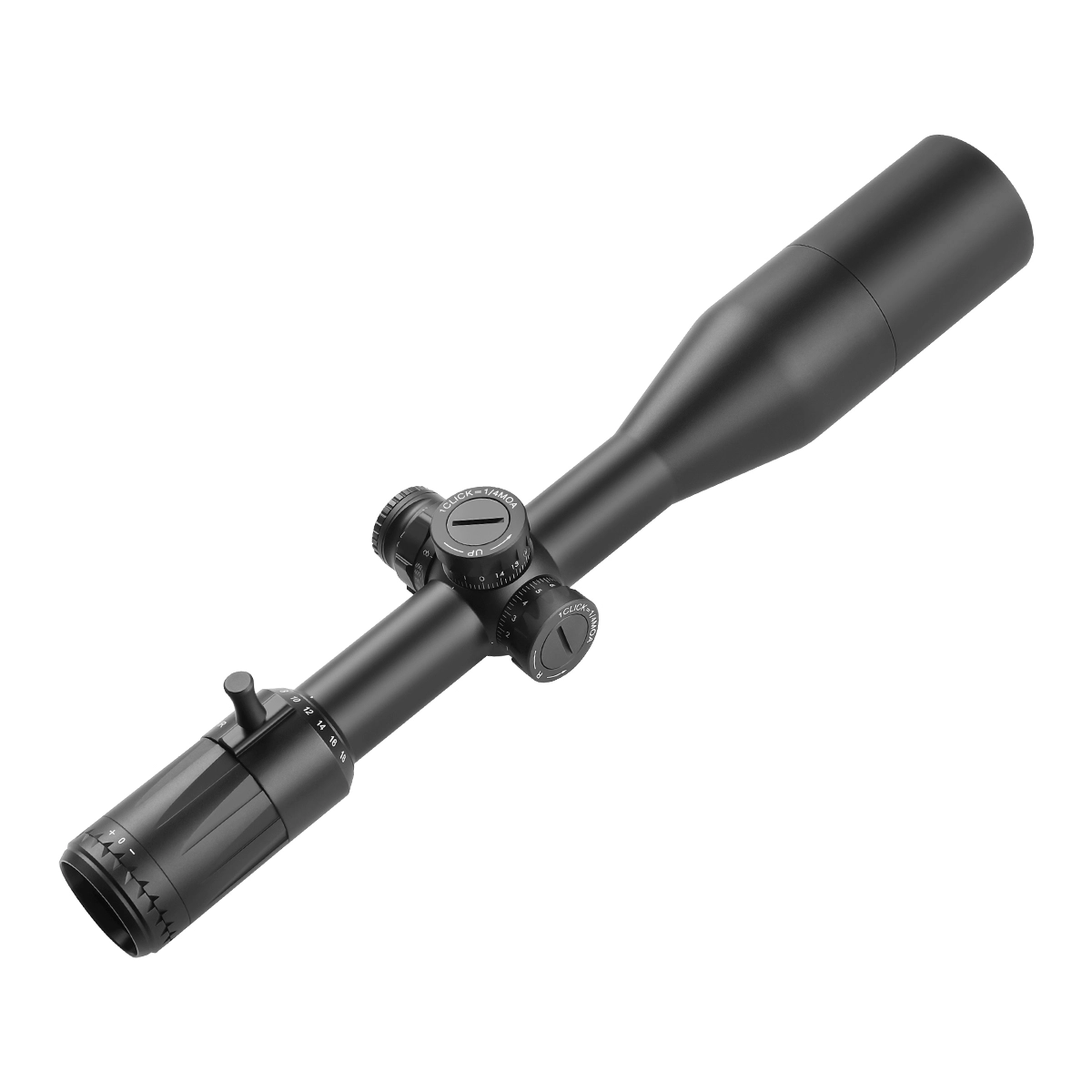
Navigating Magnification: Seeing the Detail
Magnification stands as the first part hunters think about, but it often ranks as the least understood side of far-shot lenses. It feels normal to figure that more zoom always helps for spotting distant things, but good hunting asks for a mix of zoom level, view area, and picture clearness.
Finding the “Sweet Spot” for Your Hunt
Spotting the target matters a lot, but too much zoom can really slow you down. Strong zoom cuts your view area a great deal, which makes it hard to find targets fast after you look away from the lens. It also boosts every pulse and shake, turning it tougher to keep a firm aim. On top of that, strong air waves on warm days can turn a 25x picture into a wavy mess, while a 15x choice might push past the blur better. Hunters who face these issues often find that picking the right zoom saves time and boosts hit rates in real hunts.
For many far-shot hunting cases, a changing power lens proves vital. You want low zoom for checking land and grabbing targets quick, and more zoom for naming the animal and setting the shot just right. This setup lets you adapt to what the land throws at you without missing key moments.
Balancing Versatility and Power
The best zoom range ties closely to the land you hunt in. If you work in mixed spots where a shot might show up at 200 yards in woods or 600 yards over a valley, being able to switch helps most. A lens in the 3-15x group often counts as the top all-purpose pick for these changing setups. The VX3-15X50SFIR gives this fine switch, letting you have a broad view for looking around at low zoom, but enough strength at 15x for sure shot spots at far reaches. Users in varied lands report that this balance cuts down on gear swaps and keeps focus on the hunt itself.
On the other hand, if your hunting centers on very far shots in open fields, where aims under 500 yards seldom happen, you might gain from a higher max zoom to judge prize features clearly and lock aims tight. In that case, moving to a lens like the VX4-20X50SFIR hands you that added stretch needed for checking parts at 800 yards or further. The main goal stays making sure that even at top zoom, the lens system holds clear sight from edge to edge without losing picture brightness, which keeps your views useful in all light types during long days out.
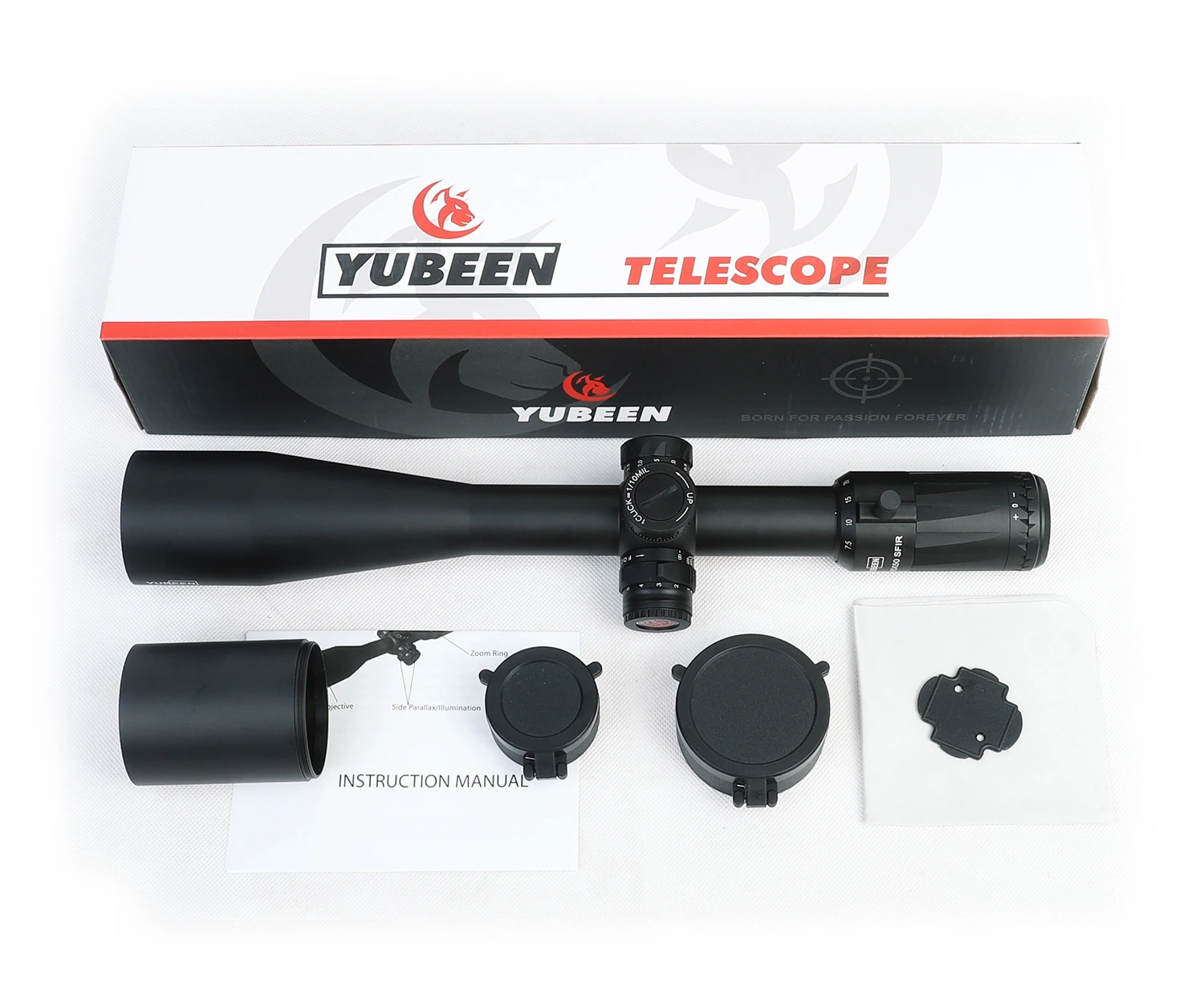
The Mechanics of Precision: FFP vs. SFP Reticles
After you set your zoom needs, you have to choose how the aim mark inside the lens acts when you change that zoom. This leads to the key pick between First Focal Plane (FFP) and Second Focal Plane (SFP), each with its own way of helping or holding back your shots.
First Focal Plane (FFP) Advantages
In an FFP lens, the aim mark sits before the lens’s zoom group. This setup means that as you zoom up and raise power, the aim mark seems to get bigger right with the target picture.
For the true far-shot hunter who uses aim holds for wind and drop, FFP often wins as the top pick. Since the aim mark grows with the picture, the small marks (the lines or points for sizing) stay true to the target at any zoom level. If your bullet path guide says to hold 2 mils up, that 2-mil spot on your aim mark works right whether you sit at 10x or 20x power. This quick match and steady way prove key when animals move and weather shifts fast, giving you an edge in tight spots where seconds count toward clean shots.
Second Focal Plane (SFP) Considerations
In an SFP lens, the aim mark sits after the zoom group. As a result, the aim mark looks to keep the same size no matter the zoom choice.
SFP lenses have long been liked for basic hunting since the aim mark stays bold and simple to spot even at the lowest power spots, which aids in thick plants or dim light. But for far-shot work, there is a snag: the aim mark’s small marks only hold true at one set zoom level (often the top power). If you try to use the lines for holds at a mid-power spot, your shots will miss the mark. If you go with SFP for far range, you need to count on turning your dials for changes instead of aim holds, or make sure you always hit the right power for sizing. Many hunters weigh this and pick based on how often they dial versus hold in their typical hunts.
Essential Optical Quality and Physical Comfort Features
Zoom and aim type matter greatly, but they lose value if the picture looks dim or if the lens feels bad to use on a gun with strong kick-back.
Objective Lens Size and Light Transmission
The objective lens means the big glass at the lens front. Its main task is to pull in light. In far-shot hunting, shot chances often come in the “golden hours” of early light and late fade when brightness runs low. A bigger objective lens, usually near 50mm for far-shot jobs, lets more light flow into the lens setup.
That said, glass size does not cover it all. The type of lens covers counts just as much. Top multi-covers, like those on pro-level lines, cut shine and boost light flow, making sure strong contrast and a lively picture when it counts. Both the 15x and 20x types noted earlier use 50mm objective lenses made just to improve dim-light work, helping hunters spot details that might otherwise hide in the shadows of dawn or dusk trips.
Eye Relief and Safety Considerations
Eye relief means the space your eye needs from the back lens (ocular ring) to catch the full, clear picture without dark spots. In far-shot hunting, you often load strong rounds with big kick, at times aiming from odd flat or up-slope spots.
Low eye relief sets up “scope bite,” a sore hurt where the kick slams the lens back into your brow. For big-round far-shot guns, seek wide eye relief (often 3.5 inches or better) that gives a kind “eyebox,” letting you grab the sight fast without pressing close to the lens. This safety feature keeps you focused on the shot, not on dodging pain from recoil surprises.
Parallax Adjustment (Side Focus)
When aiming at far spots, you will see a turn knob on the side of the lens dial box, sometimes marked with distance numbers. This is the Side Focus, set to fix parallax.
Parallax slip happens when the target picture and the aim mark fail to sit on the same focus level inside the lens. This can make the aim mark seem to drift or shift around the target if you move your eye a bit, causing wrong shots. Good side focus lets you turn out this slip, making the target sharp and the aim mark fixed right on the spot at any range. Adjusting it right turns potential misses into solid hits, especially as distances grow longer in open hunts.
Beyond the Product: Reliability and Service
A far-shot hunting lens counts as a buy meant to hold up through years of rough handling. The inner build strength of the lens matters as much as picture clearness.
Inside parts must stand strong against the repeated hit of big-round kick without dropping aim. Things like nitrogen fill prove key to stop inside cloud when temps jump or drop sharp during a hunt. Also, the up-down and side-to-side dials must move exact and come back true. If you turn up 20 steps for a 600-yard aim and then turn back to start, the lens must hit its first aim spot just right. These traits ensure your gear stays ready shot after shot, building confidence for tough field days.
When you pick high-end lenses, you also select the team behind the glass. Solid makers back their items with full check systems and quick help. Whether you want basic types, or face special wants that need OEM/ODM fixes, check that the supplier holds a name for tech know-how and after-buy care. Yubeen stands out here with their focus on user needs, offering support that keeps your hunts smooth from first setup to long-term use in wild places.
Conclusion
Hitting targets at far range ranks as one of the best tests in hunting. It asks for a setup where gun, bullets, shooter, and lens join in full match. By putting top glass first, picking the right zoom span for your land, and choosing the best aim system for your shot way, you raise your win chances a lot. Do not cut corners on your sight tie to the target; go for gear built for the careful needs of far-range hunts, and watch your skills shine in the wide open.
Frequently Asked Questions (FAQs)
Q: Is higher magnification always better for long-range hunting?
A: No. While high magnification helps identify targets at extreme distances, it also reduces your field of view, makes it harder to locate targets quickly, and exaggerates atmospheric mirage, which can blur the image on hot days. A versatile zoom range is usually better than fixed high power. This approach fits most real-world hunts where conditions change often.
Q: Why is eye relief important for long-range scopes?
A: Long-range rifles often use powerful cartridges with heavy recoil. Generous eye relief ensures your eye is far enough away from the scope eyepiece to prevent injury (“scope bite”) when the rifle fires, especially when shooting from awkward positions. It keeps you safe and steady for better shots.
Q: What does the Side Focus knob do on a long-range scope?
A: The Side Focus knob adjusts parallax. It ensures that the target image and the reticle are on the same focal plane. If parallax is not adjusted correctly at long distances, slightly moving your eye behind the scope can make the reticle appear to move off the target, leading to inaccuracy. Proper use sharpens your aim every time.
