


How to Maintain and Clean Your Precision Optics for Long-Lasting Performance
When you put money into a good optical device, you are not just getting glass and metal. You are putting effort into seeing things sharp over long ways, feeling sure that your aim stays the same, and using smart design that lets light pass through many glass pieces with little waste. But even the best gear needs careful watch. If you are a shooter in contests, a hunter who sticks to it, or someone into tactics, your tools depend on you to keep them working at top level.
Good care makes sure that your exact tools, like ones made by Yubeen, keep giving clear pictures and steady changes for many years. Lots of people hurt their stuff without knowing by using wrong clean ways or ignoring how weather wears it down. By sticking to a pro care plan, you guard your money spent and make sure your gear does not let you down when the right chance to shoot comes up. This simple habit can save you from big fixes later and keep your hunts or shoots smooth and fun.
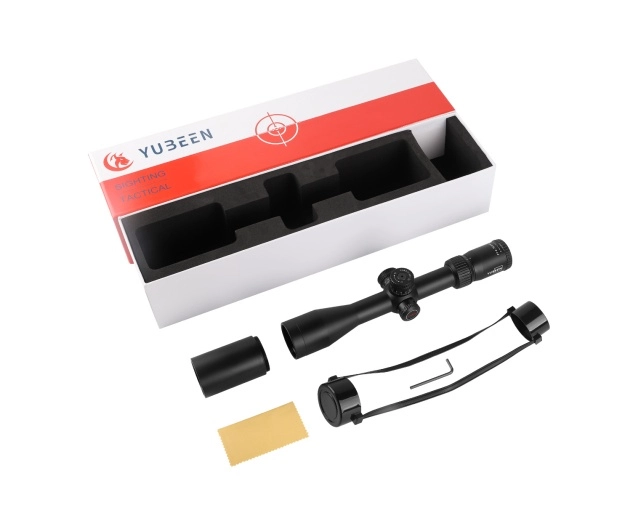
The Philosophy of Optical Glass Preservation
To look after your gear well, you first need to see that optical glass is a soft material. New glass pieces get layers of special covers. These covers help light go through better, cut down on bright spots, and guard against marks. But they also react badly to oils from your hands and rough bits like sand or dirt.
The main rule for optics is easy: touch the glass as few times as you can. Each time you rub your glass, you chance making tiny cuts. These small marks might not show at first to your eyes, but they build up over time. This causes “clouding” or “mist,” which spreads light and makes your whole view less sharp. When you use a strong Optical Sight – PT4-16X44SF, you gain from a big 44mm front glass made to catch the most light. Keeping that glass surface safe is very important to hold the clear view that the Side Focus (SF) part gives. Users who follow this rule often find their gear lasts longer and works better in low light, which is key for evening hunts or indoor ranges.
Pro care is about keeping clean while being careful. You want the glass free of blocks, but you must do this without hurting the special covers on the glass. This means using the right items and a steady way to clean.
Building Your Professional Cleaning Toolkit
Before you touch your glass, you need the right stuff. Using an old shirt, paper cloth, or normal rag is the quick way to wreck a exact tool. These things have rough threads that are too hard for optical glass and might hide dirt that cuts the covers.
Your set of tools should have four main parts. First, a hand air puffer is your best guard. It lets you blow off loose dirt without touching. Second, a good glass brush with very soft fake or real hairs is needed for hard bits. Third, you need special glass clean liquid. Skip home window cleaners, as they have strong stuff like ammonia that can remove the special covers. Last, use only clean, thick micro-fiber cloths or special glass papers.
Keeping these tools safe is as key as using them. If your micro-fiber cloth lies at the bottom of your bag, it picks up dust. When you use it on your scope later, you are just spreading dirt on the glass. Always store your clean items in a closed, dirt-free box to keep them pure. This small step helps avoid common mistakes and keeps your routine simple and effective for regular use.
The Step-by-Step Precision Cleaning Process
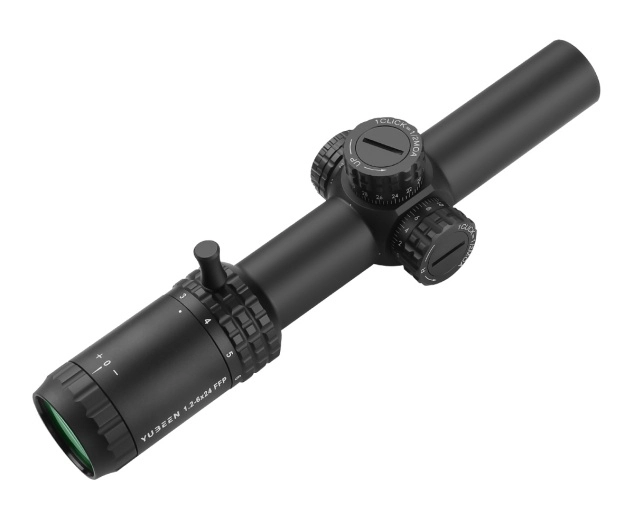
Once your tools are set, follow a clear order. This way is made to take away dirt from the outer parts first, so you never push rough bits into the glass. When working with a useful tool like the Rifle Optical Scope– VX1.2-6X24FFPIR, you want to make sure the First Focal Plane (FFP) aim mark stays clear against a spotless back. This process takes just a few minutes but pays off by keeping your views sharp and your shots true every time you head out.
Step 1: The Initial Blast
Begin with the hand air puffer. Hold the viewer so the glass points a bit down. This lets pull help the dirt drop as you blow air over the top. This part takes off about 90% of the bits that make cuts. Never use can “air spray,” as the push stuff can leave bad marks on the glass or freeze it, leading to cold shock.
Step 2: The Soft Brush
If bits stay, use your glass brush. Gently move the brush over the top, starting in the middle and going to the sides. Pay extra to the spot where glass meets metal, as dirt hides there. Be soft; you are not cleaning a dirty floor, you are brushing a careful tool.
Step 3: Chemical Application
If the glass has hand marks or oil dots, you need clean liquid. Never put the liquid right on the glass. This can let water slip past the edges if they are worn, or it can gather at the sides. Instead, put one drop of liquid on your micro-fiber cloth. This gives just enough wet to break the oils without soaking the viewer.
Step 4: The Spiral Wipe
Use the wet part of the cloth with light push in the middle of the glass. Move the cloth in a slow circle that grows to the outer side. This way makes sure any left dirt goes away from your main see line. End by using a dry part of the micro-fiber cloth to take off any left lines.
Managing Environmental Stress and Extreme Weather
Your gear is made to handle outside conditions, but how you treat it after the hunt or game sets how long it lasts. Very hot or wet air are the main foes of long optical health. Even if Yubeen items are filled with nitrogen and sealed with rings to stop inside mist, the outside still needs care. Taking these steps helps your tools stand up to rain, snow, or heat without losing their edge.
Humidity and Moisture Recovery
If you were in rain or very wet places, water can get into small spots on your dials or under the zoom ring. When you get home, do not put your gun right into a foam case. Foam holds water against metal and glass, making a small wet box that starts rust and mold. Instead, let the viewer dry in the air in a room with even temp. Wipe the outer body with a cloth that has light oil to guard the color, but keep that oil away from the glass. This drying time, often just an hour or two, prevents bigger problems down the line.
Thermal Acclimatization
Going from a cool car to hot 100-degree air, or from cold woods to a warm house, makes fast change in size. This can cause outside water drops (mist). If this occurs, do not rub it off right away, as the drops can hold dust. Let the viewer get to the room temp on its own. This wait keeps the seals from getting hurt by quick temp jumps and holds the inside nitrogen steady. In busy hunts, this might mean planning a short stop, but it saves your gear from wear.
Mechanical Maintenance and Turret Integrity
While most folks think about the glass, the moving parts of your scope matter just as much. The dials on your Yubeen viewer have exact wheels and springs that let you make changes that stay the same. Learning your gear means keeping these parts in great shape. Regular checks here can spot small issues before they turn into big ones.
Turret Care and Zero Retention
Look at your dial covers often. Make sure they are tight to stop dust and water from getting into the change parts. If you use a viewer with open tactic dials, like the PT4-16X44SF, use a soft hair brush to clean the rough spots on the turns now and then. This gives you a good hold for changes, even with gloves on. It also keeps the feel smooth for quick adjusts in the field.
Also, always check your hold parts. A scope works only as good as the rings that keep it. Every few months, use a turn tool to make sure your hold screws have not come loose from shakes. A change in your aim is often from the hold, not the viewer itself. This quick check after trips can prevent misses and keep your setup reliable.
Moving Parts and Lubrication
The zoom ring and the side adjust (side focus) are made to turn easy. If they get hard, it is usually from dirt getting in or very cold. Never try to add oil like WD-40 or thick fat. New viewers use special fake oils that stay put. If a turn gets really stuck, it means the item needs pro help, not home fixes. Sending it in early can save the whole unit.
Professional Service and Brand Reliability
Even with top care, there might be a time when your gear needs expert hands. If it is dirt inside or a seal hurt by a hard hit, knowing when to send it for fix is important. Trying to take apart the body yourself will break the air seal, letting wet air in, which causes lasting inside mist.
At Yubeen, we feel good about how steady our products are. We build our scopes to be tough, but we also give the help needed to keep them working outside. Our promise to shooters is not just selling parts, but making sure every user has what they need to keep gear at high level. If you wonder about care for your exact model or need tech help, talking to our fix team is the top way to keep your viewer as an exact tool. We offer fast turnarounds and clear guides to make the process easy.
By sticking to these tips, you make sure your see stays clear, your changes stay exact, and your gear stays a sure helper in any place. This not only boosts your skills but also makes every outing more enjoyable and successful.
FAQ
Q: Can I use household glass cleaner or Windex on my scope lenses?
A: No. Most home glass cleaners have ammonia or soaps that can harm the special multi-covers on your glass. Over time, this causes lasting loss of light pass and clear. Always use a special, no-alcohol optical clean mix or a basic blend of pure water and a small bit of soft soap if you lack a special one. This keeps the covers safe and your views bright.
Q: How often should I clean my lenses?
A: You should clean your glass only when it is really dirty. Cleaning too much raises the chance of chance cuts. If you see a tiny dirt spot that does not change your picture, leave it or use air puff. Do a full “wet” clean only for hand marks, oil, or big dirt that makes the view worse. This way saves wear and keeps things looking new.
Q: My scope is fogging up on the outside when I move from my car to the field. Is the seal broken?
A: Not always. Outside mist comes from temp and wet changes (water drops). As long as the mist is on the outside of the glass and you can wipe it, your inside nitrogen seal is probably fine. If you see mist or water inside the glass that you cannot remove, the seal is hurt, and the item needs pro fix. Checking this quick can catch problems early.
