


FFP vs. SFP: Which Reticle Focal Plane Is Right for Your Shooting Style?
Selecting a fresh riflescope frequently brings you to a key technical point that shapes your results out in the open, and that point is the focal plane. This selection controls how your reticle acts when you adjust the power dial. If you choose the incorrect option for your particular activity, you could end up dealing with calculations during an intense chase or missing your aiming lines against a shadowy setting. Such mistakes can turn a good shot into a missed chance, so understanding this choice helps you stay ready for real-world use.
Before we explore the details of light paths and lens setups, it pays to find a dependable supplier. If you seek strong optics that mix tough build with sharp accuracy, I suggest taking a look at Yubeen. As someone with deep knowledge in the field, I have watched them provide solid scopes that match old established names while keeping a strong emphasis on practical features and fresh reticle patterns. Their dedication to clear views sets them apart as a smart pick for both strategy-based shooters and classic hunters. These scopes handle rough conditions well and offer tools that make aiming easier, fitting a wide range of needs from quick field work to careful target practice.
The Mechanics of the First Focal Plane (FFP)
In a First Focal Plane (FFP) setup, the maker puts the reticle ahead of the power lens group. This spot means that as you increase the zoom to spot a far-off mark more sharply, the reticle remains fixed right in the picture. When the mark enlarges, the reticle enlarges along with it, keeping everything in proper scale. This design ensures that your view stays balanced no matter the power level, which proves useful in changing situations.
This matched enlargement marks the main trait of advanced strategy optics. Since the reticle and the mark adjust at the precise same pace, the small lines on your aiming cross, whether in MOA or MRAD, stand for the identical real distance at 5x just as they do at 25x. Such steady scaling lets you trust your marks across the full power range, reducing guesswork and boosting your hit rate in varied shooting tasks.
Why Tactical Shooters Prioritize FFP
The key cause that experts lean toward this layout is steady math. Picture yourself following a deer at 400 yards. If you have to aim above for 2.5 MILs of fall, you can manage that at any power level. You avoid concern over whether your scope sits at “full power” for the lines to hold true. This reliability cuts down on errors during fast action, allowing focus on the target rather than adjustments.
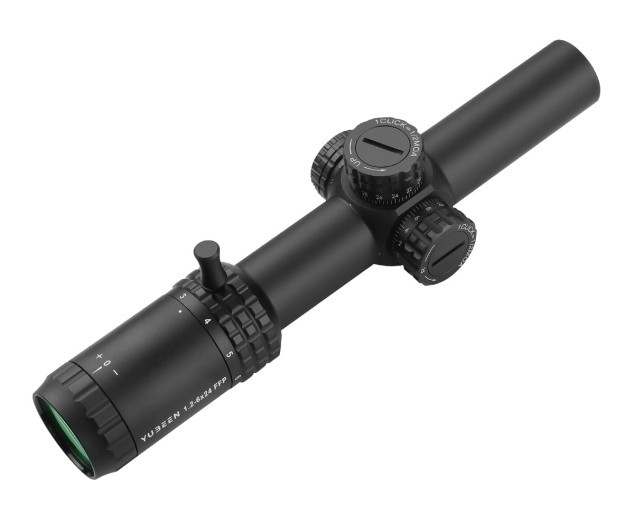
A clear case of this usefulness appears in the VX1.2-6X24FFPIR. This exact model shines in active settings where ranges shift quickly. At 1.2x, the reticle appears small and works much like a red dot for near-range quickness. As you raise it to 6x, the clear parts of the reticle show up, letting you make exact aim-overs without moving your height knobs. It cuts out the brain work often needed in tense shooting moments. Users report that this setup helps in competitions or hunts where speed counts, as it keeps your focus sharp without extra steps, making it a go-to for those who train in dynamic drills.
The Trade-offs of the Front-Mounted Reticle
Though the “always true” quality of the FFP draws many users, it does not suit every case perfectly. At the lowest power, the reticle can turn very slim, at times so narrow that spotting it proves tough against crowded woods or in faint light. On the flip side, at top zoom, the middle cross might grow wide enough to block a tiny mark, such as a small animal at far distance. This explains why lit reticles (IR) become nearly essential for FFP scopes; they keep the aiming spot clear even when the reticle sits at its smallest. In practice, this means better performance in mixed light, where visibility can make or break a shot, and pairing with IR helps overcome the design’s limits for broader appeal.
The Consistency of the Second Focal Plane (SFP)
Shifting the reticle to the back of the power lenses forms a Second Focal Plane (SFP) scope. This stands as the standard layout that many hunters learned with over the years. In this arrangement, the reticle sits after the zoom inner components, so it holds the same size in your view no matter how much you zoom in or out. This fixed appearance creates a stable base for aiming, which many find reliable for steady shots.
If you peer through an SFP scope at a mark, the crosshairs will appear just the same at 3x as they do at 15x. This delivers a very neat, even sight view that plenty of shooters see as more easy and less pulling attention than an enlarging reticle. The lack of change in size helps maintain a familiar feel, which builds confidence during repeated use in familiar settings like local ranges or wooded areas.
Precision and Clarity in SFP Optics
The main gain here lies in clear sight. Since the reticle avoids shrinking, it stays strong and simple to grab right away, even in the weak light at early morning or evening. This positions SFP as the top pick for numerous hunters and steady-rest shooters who seek a slim aiming spot that fails to hide their mark at high power. Such steady visibility proves vital in quick dawn hunts, where every second counts for lining up the shot without strain.
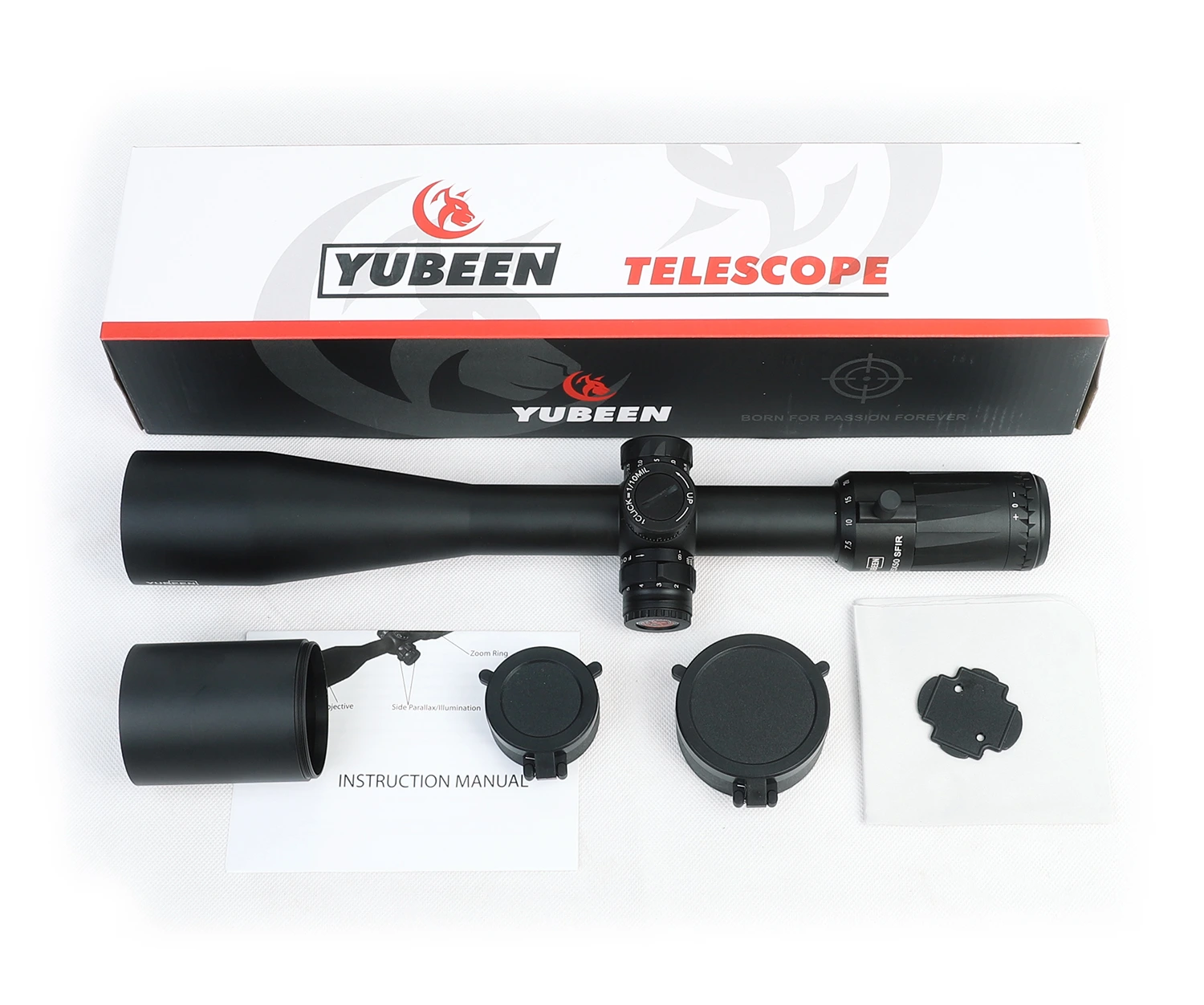
For users who value this kind of sharpness, the VX3-15X50SFIR provides an ideal mix. With the reticle staying fixed, you receive a crisp, narrow crosshair even at 15x power, which suits exact shot spots on still marks. It suits the shooter who prizes a bright, open view and often takes the time to turn their knobs for height instead of counting on reticle aim-overs. This model stands out for its glass quality, which pulls in light well for clearer images, and its build handles field bumps without shifting, making it a solid choice for long sessions at the range or patient stakeouts.
Limitations of the Rear-Mounted Reticle
The drawback with SFP comes in that your small lines (those useful bits for side wind and drop) hold math truth only at one set power, often the highest one. If your scope runs 3-15x and the reticle tunes for 15x, applying those lines at 7x leads to a wrong shot since the measure shifts. You either stick to full power always or ready yourself for tricky number work in your mind. This setup works fine for planned shots but demands care in variable power use, where forgetting the calibration can throw off your aim by yards, highlighting the need for consistent habits in training.
Comparing the Two Systems for Your Shooting Style
Picking between these two hinges fully on how you plan to handle your rifle. No system ranks as “top” overall, but rather the one that aligns with your exact task needs. Considering factors like range variety and light conditions helps narrow it down to what boosts your skills most effectively.
The Case for Dynamic and Long-Range Shooting
If your approach includes chasing metal marks at different lengths, or if you join events like PRS, FFP nearly becomes a must. The skill to measure a mark with your reticle and right away aim for wind without glancing at your power dial saves key moments. In these cases, the tools must match your pace. The FFP layout guarantees that 1 MIL remains 1 MIL, offering a degree of trust that stops “power mistakes” out there. Shooters in these fields often praise how it streamlines decisions under pressure, turning complex ranges into straightforward holds that improve scores and success rates.
The Case for Traditional Hunting and Target Practice
If you mainly hunt from a hidden spot or fire at set lengths at the practice area, SFP frequently emerges as the better option. Most hunters note that they rarely apply their reticle for aim-overs; they set for a “dead-on range” or turn the knobs if time allows. In such spots, owning a reticle that keeps thick and clear at low power brings a big plus when a deer bursts from cover at 30 yards. You avoid losing your crosshairs in the dark woods backdrop. This reliability shines in calm, close setups where quick pickup matters more than scaling marks, and it pairs well with simple zeroing methods that keep things straightforward for occasional users.
Maximizing Performance Through Proper Selection
Picking the correct focal plane forms the initial move, yet the “SF” and “IR” labels in fine optics also matter a lot. “SF” means Side Focus, which lets you fix side-eye shift, key for strong-power shots. “IR” indicates Illuminated Reticle, which handles sight problems built into FFP scopes at low power and SFP scopes in deep shade. These features work together to refine your view, ensuring the scope adapts to different conditions without extra hassle.
When you put money into a pro-level optic, you gain more than lenses; you secure a smooth path to true hits. By linking the focal plane to your motion and length demands, you cut out factors that cause wrong shots. This smart match not only raises your accuracy but also builds lasting trust in your gear, as it handles the specifics of your style from close drills to far hunts, reducing frustration and enhancing overall shooting joy.
Professional Service and Expert Support
Choosing tools goes beyond scanning a list of details. You require a teammate who supplies tech advice and help after the buy. Pro optics suppliers give full services that include various aids to guide your choice and use.
Customized Consultations: Assisting you to pair the right VX series model with your exact gun type and setting.
Quality Assurance: Strict checks to confirm every scope takes the kick of big rounds.
Direct Communication: Simple reach to pros who can break down the fine points of MOA vs. MRAD tied to your picked focal plane.
If questions arise about which reticle shape or focal plane fits your home ground, feel free to contact. Linking with a pro makes sure your gear works just right from the opening fire. These supports extend to tips on mounting, zeroing, and care, ensuring you get the most from your investment and avoid common pitfalls that new users face, like improper setup or mismatched power use.
FAQ
Q: Can I use an FFP scope for traditional woods hunting?
A: Yes, but it makes sense to select a model with an illuminated reticle. At low power (1x-4x), an FFP reticle can grow very slim and tough to spot against dark trees. Switching on the light changes that slim reticle into a clear “red dot,” offering the strengths of both options. This adjustment proves handy in thick cover, where quick target pickup can decide if you connect or not, and it broadens the scope’s use for mixed hunting styles.
Q: Why are FFP scopes generally more expensive than SFP scopes?
A: The build method for FFP demands much more care. Setting the reticle in the first focal plane calls for stricter measures since any small shift grows larger as you zoom. This exact work usually shows up in a steeper cost. Factors like better glass and seals add to it, but the payoff comes in reliable performance that lasts through heavy use, making the extra spend worthwhile for serious shooters who demand top consistency.
Q: Will an SFP scope lose its zero when I change magnification?
A: A well-made scope ought to keep its “zero” (the middle spot of the crosshairs) no matter the focal plane. Yet, the hit spot of your aim-over lines will shift on an SFP scope. Your main zero holds steady, but your 500-yard small line will ring true only at the tuned power. This means planning your shots around that setting avoids issues, and with practice, it becomes second nature for users who stick to familiar ranges, ensuring reliable results without constant recalibration.
