


Essential Marine Applications for Thermal Imaging
The sea offers stunning views, yet it ranks among the toughest places on the planet. Once night falls while you are boating, the distant line disappears, and usual shore markers turn into unclear shapes. Basic night sight gear often fails against the damp air and shiny water surfaces, creating holes in your grasp of what is around you. Thermal imaging steps in to fill that need, since it spots warmth instead of brightness, helping you notice barriers, animals, and dangers amid complete black, mild haze, and ocean mist. This tech proves especially handy for boaters who face low light often, as it brings clear views that boost safety and ease worries during trips. Without it, many face risks they could avoid, turning routine outings into tense moments.
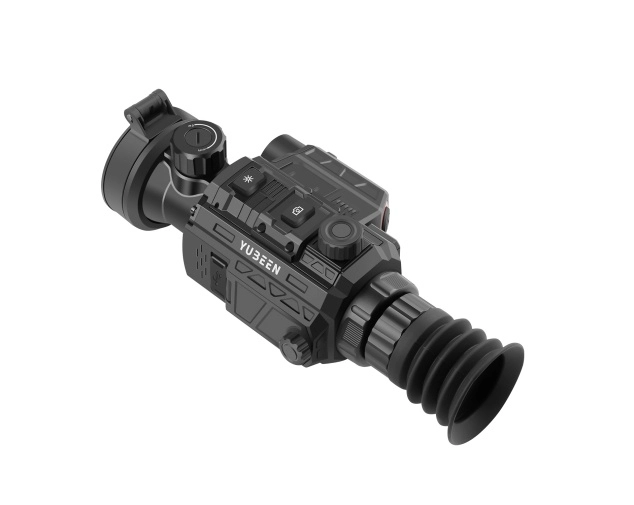
Meet Your Eyes in the Dark: Introducing Yubeen
Yubeen stands out not merely as a maker of devices, but as builders of sight tools that fit tough sea conditions and deliver sharp pictures. When you pick up their equipment, you sense the solid build from experts aimed at folks who require dependable results without settling for average. For working sailors, shore scientists, or keen evening boaters, they supply the warmth-seeing boost needed to remain secure. Their focus stretches past simple sales, as they stress user comfort by making controls easy to handle and images clear even when stress runs high. If you seek steady performance and a fresh way to view surroundings that others miss, this company sets the top mark for your sea journeys. Their products endure salt, bumps, and wet spells, ensuring you get real value from gear that holds up over many uses and harsh weather shifts.
Enhancing Maritime Navigation and Safety
Navigating after dark brings main issues like judging distances and spotting items clearly, where radar signals presence but thermal imaging reveals the details, offering key visual proof to dodge crashes and protect all aboard. This added layer of info lets captains make smart choices quickly, cutting down on close calls that plague night sails.
Overcoming the Limits of Traditional Optics
Regular viewing tools depend on natural glow, becoming almost pointless on starless evenings or thick fog banks, whereas thermal methods overlook dimness entirely and capture heat traces from drifting wood, loose markers, or piers warmed by daytime sun, with the cool sea forming a plain background that makes firm shapes pop in bold outline. As a result, you can keep steady paces with assurance once only possible through costly, advanced setup from defense sources, allowing smoother trips without constant slowdowns for guesses.
Precision Detection with High-Performance Gear
Boat handlers wanting longer views and finer points turn to the DT50LRF, a top choice for sea watching that shines in watery settings thanks to its far-reaching spot features, where the built-in Laser Rangefinder (LRF) serves as a vital help, so when a warm hint appears far off, you gain exact range info with one press to adjust paths well ahead of trouble. The detailed pickup unit renders even tiny, flat items like hidden branches or small boats with defined borders, ensuring you spot risks early and respond with care. This setup fits various boat types, from small crafts to larger ships, providing versatility that matches diverse needs on open waters.
Search and Rescue: The Race Against Time
During a person-falling-overboard event, each moment shapes the result, as the wide sea hides a swimmer’s head amid swells, where spot lamps often bounce off foam and cause blinding shine that muddles the hunt. Teams trained in such ops know how vital quick, clear tools become to turn odds in favor of success.
The Thermal Contrast Advantage
People give off body heat like a running machine, creating a clear gap even in mild sea temps between skin warmth and cool surroundings, so thermal gear paints the waves as a black sheet where a life sign shines bright like a signal, letting search groups cover large water zones way quicker than with plain sight and skipping wave clutter to lock on key warmth marks. This edge speeds up finds, vital when cold water saps strength fast, and helps crews coordinate without wasting effort on false spots.
Rapid Response and Range Calculation
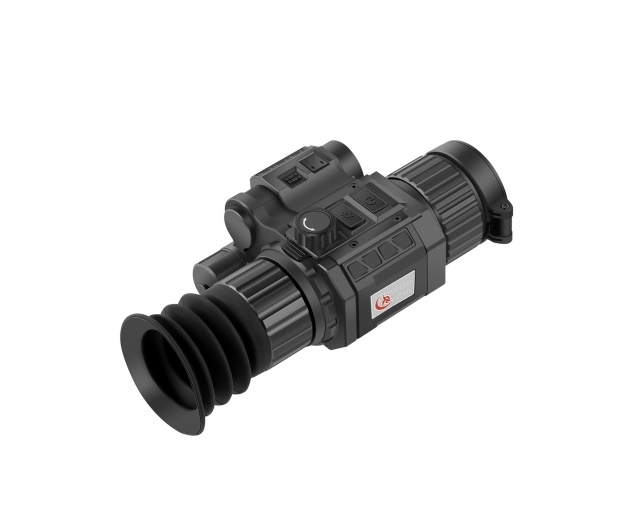
For tense rescue spots, the ST35LRF delivers a smaller but strong option that travels easy for deck hands or aid boats, mirroring bigger models with LRF for instant distance reads once a mark locks in, guiding steers right to the spot without passing by. Its simple setup lets users switch view colors under duress to highlight warmth best against shifting tides, making it ideal for fast action where every second counts. Crews praise its light weight for quick grabs during alerts, ensuring it aids without adding hassle in rough seas.
Security and Coastal Surveillance
Sea guarding demands constant watch for risks that hide in gloom, whether shielding a private boat or scanning shore lines, and the skill to view unseen gives your strongest edge in handling threats smartly. Proper gear here prevents surprises, keeping assets and people out of harm.
Stealthy Observation and Deterrence
Spot beams announce your spot to all nearby, but thermal sight works quietly without output, so you can check ports or nearing boats in full quiet and black, a hidden watch mode key for catching intruders or odd moves before they notice eyes on them, while building proof and judging aims from afar. This quiet approach fits patrols that need surprise, allowing teams to plan responses without alerting foes early.
Distinguishing Targets in Complex Environments
Shore zones fill with wharfs, posts, and other boats, yet smart thermal pickups slice through the mess by noting engine heat from crafts or body warmth on docks, swiftly sorting fixed builds from active ones to let guards zero in on real concerns, cutting wrong alerts and sharpening watch rounds. Such detail boosts overall watch strength, making shifts more effective and less tiring for those on duty.
Scientific Research and Marine Life Observation
Past guard and safety uses, thermal imaging unlocks fresh paths for experts and nature fans, as watching sea creatures calls for gentle ways that skip bright beams to avoid changing normal acts. This non-bother method yields true insights into hidden lives.
Observing Wildlife Without Disturbance
Sea animals like large fish and pinnipeds rise for air, showing hot hides and vents to cooler sky, so experts employ thermal lenses to follow them in dark or dim views, staying undetected without glow or noise to peek at night ways once out of reach, data vital for save plans and mapping paths in fragile spots like polar zones. These quiet watches reveal feeding, resting, and group moves, aiding broader efforts to protect dwindling numbers from human impacts.
Documenting the Environment
Thermal sight also records nature shifts, like spotting hot outflows from plants or tracing ice blocks, with sharp video capture sharing finds to link tough facts with easy stories, turning unseen sea powers into clear, touching tales for all. This bridge draws public care, sparking support for clean waters and wise use of coastal areas.
Professional Support and Service
Putting money into top thermal viewers means pledging to lasting well-being and wins at sea, so the tie between buyer and maker should last well past the first buy to cover ongoing needs. Strong backing turns tools into true partners.
Comprehensive After-Sales Care
Steadiness marks the top trait in sea gear, since breakdowns far out mean more than hassle but real danger, so top sellers build wide fix webs to keep items tuned and set for use, offering help lines for far-off fixes or quick mends after rough hits. This net ensures peace, with experts ready to guide through setups or part swaps, keeping your kit sharp for any outing.
Contact and Customization
Each sea task differs, from gearing guard fleets to picking one piece for your own boat, and sound tips guide choices on glass sizes, pickup sharpness, and fit ways to match your spot, so calling for talks guarantees not just a buy but a custom fix for your runs. Advisors hear your setup details, suggesting blends that boost views without extra weight or cost, fitting budgets from small ops to big teams.
FAQ
Q: Can thermal imaging see through water?
A: No, thermal imaging cannot see through the surface of the water because water blocks long-wave infrared radiation. However, it works great at spotting things on top or sticking out, like people swimming, junk, or sea animals, thanks to heat gaps between them and the sea. This surface strength makes it a go-to for many water watches, even if underwater views stay out of reach.
Q: How does salt spray affect the performance of a thermal scope?
A: While thermal imaging handles light mist and spray better than eyes alone, thick salt layers on the glass can blur views as time goes, so pick units with guard covers and rinse with clean water plus soft wipes after sea time to hold sharp sight. Regular care like this extends life, keeping images true in salty airs.
Q: Why is a Laser Rangefinder (LRF) so important in a marine setting?
A: Open sea makes range guesses hard with few markers around, but an LRF gives quick, true reads to marks, key for safe paths, timing saves in pulls, or sizing up coming risks. This exact info sharpens calls, turning vague spots into clear plans for better outcomes on waves.
